Movies, YouTube, TikTok, video games, micro-dramas. We live in a world shaped by screens, and we are constantly consuming content.
In this media-saturated world, visual literacy is an essential skill that will give you an edge in any profession.
The Film Studies programme aims to transform you
from a passive consumer into a critical thinker, media literate professional, and agile creator who can analyse moving images and communicate through visual stories.
Learn from instructors who are in the industry: film producers, directors, screenwriters, editors, and content creators, among others.


Foundational and critical analysis
Learn the language of cinema and genre conventions and decode what you’re consuming.
Business/industry
Look beyond the screen to understand how the film industry actually works, from financing to distribution, the economics of the streaming landscape, and the creator economy.
Special interest
Explore aspects such as animation, censorship, identity, well-being, mental health, and ethical issues.
Practical creation
Go hands-on with creative courses in scriptwriting and filmmaking so you can produce your own compelling content using accessible, everyday technology.
Career Prospects
Film Studies provides graduates with an adaptable toolkit: the ability to decode media, analyse narratives, recognise ethical issues, and create content for a range of purposes.
Film Studies also sharpens your cultural awareness and grasp of storytelling, helping you develop taste, discernment, and critical judgement, which will help you stand out in any job. The training complements many careers such as marketing, advertising, communication, public relations, game design, distribution, education, and social work.
Why do we say this? You may not have thought about it, but film involves so many domains as it is an artform that is also steeped in communication, psychology, business, data analysis, and technical innovation. For example, to make a good film, we have to tell a great story with words, images, sound, pacing, and editing. We have to understand human nature, work with a cast and crew, market the product, and use an array of equipment and tech such as cameras, projectors, IMAX, and AI filmmaking tools.
So, when you take Film Studies, you are trained to be interdisciplinary, which makes you nimbler in creative and corporate careers or even if you just want a side hustle.
Curriculum
Lights, Camera, Action!
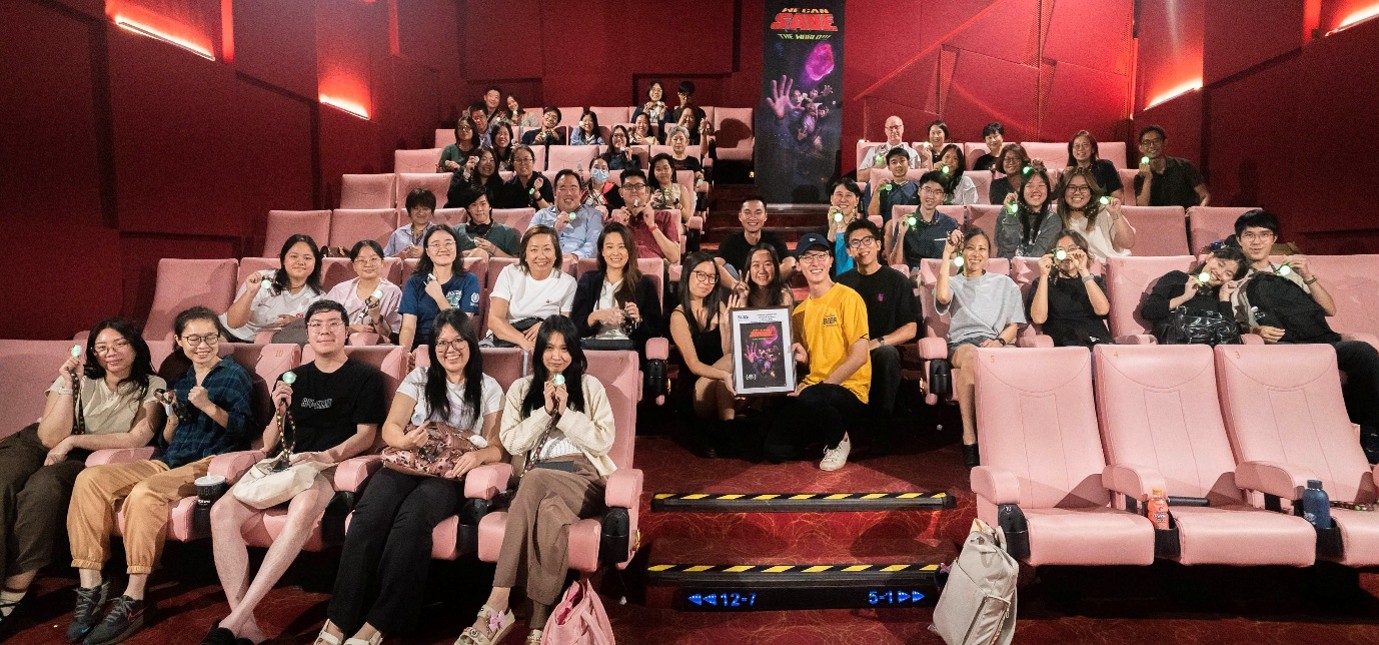
Film Studies organizes an annual screening of a local movie. This is us at We Can Save the World!! with the director and producers for a post-screening Q&A.
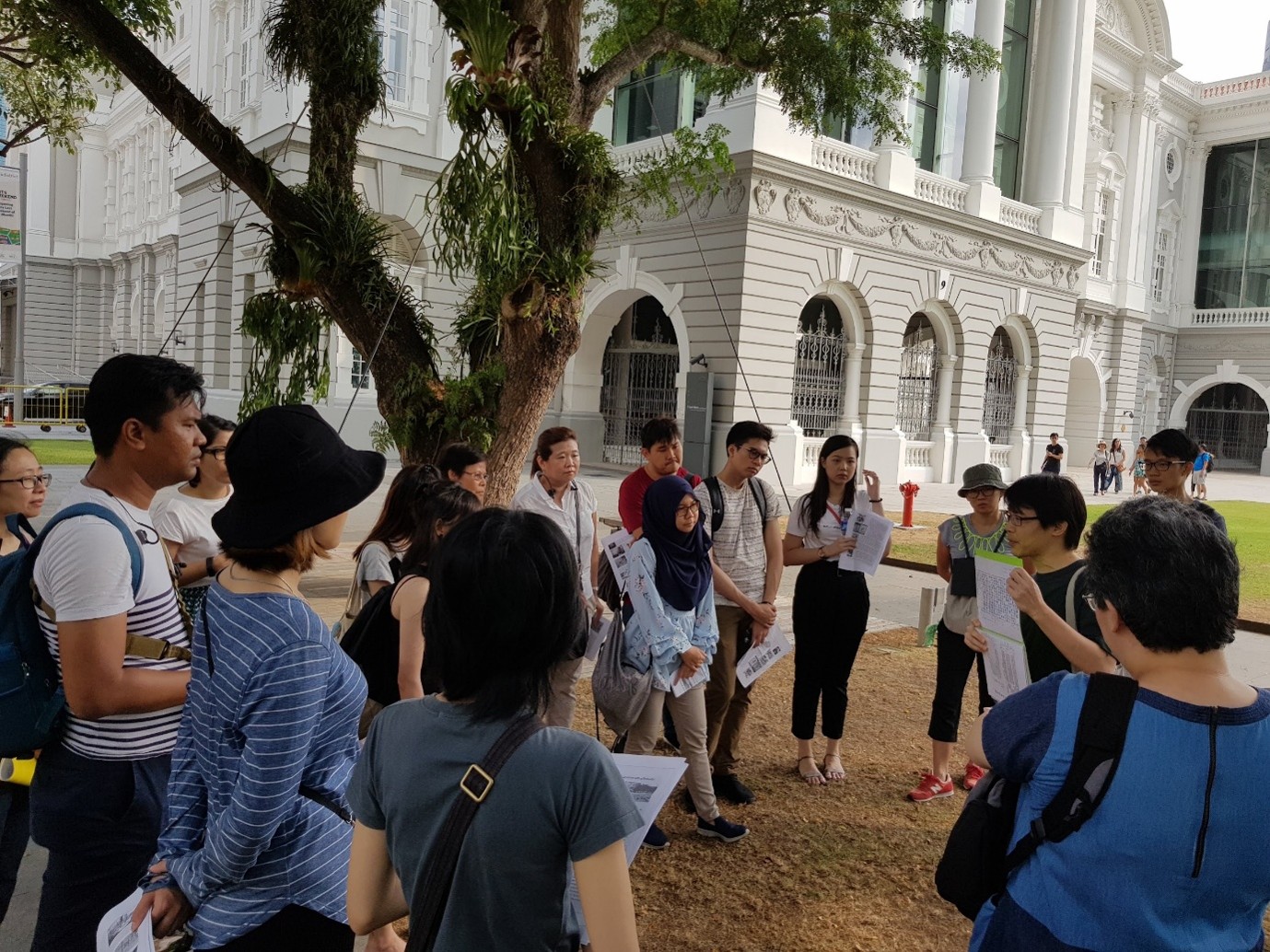
A Film Studies walking tour where participants explored locations that have been featured in Singapore films.
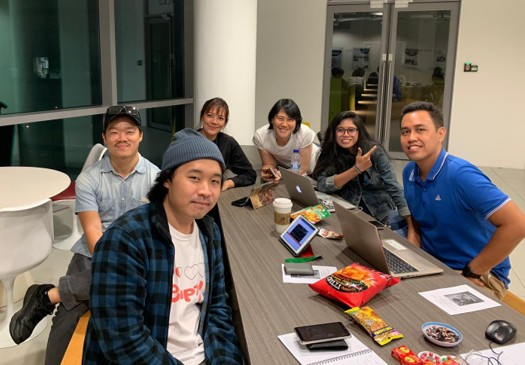
Film Studies regularly invites filmmakers to join us so we can learn from them. Here’s the Singapore Film class with First Assistant Director Tiffany Ng, who has worked on films like Crazy Rich Asians and Pace, HBO’s award-winning comedy Hacks, as well as music videos for Coldplay and Xin Liu.
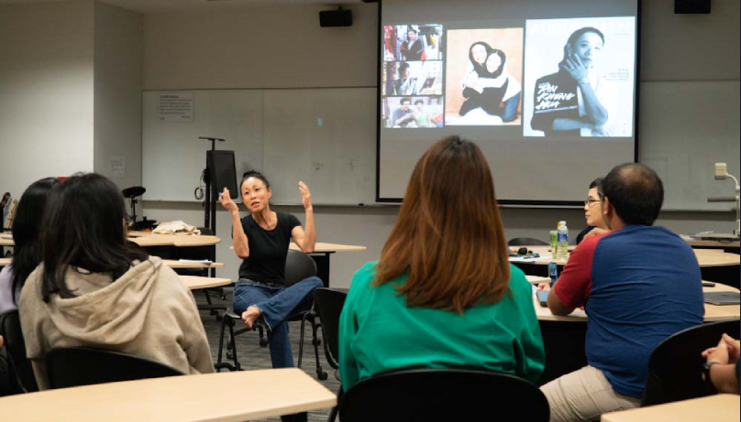
Actress Tan Kheng Hua joined Film Studies students for a great session, too. Other filmmakers who’ve dropped by class include directors Boo Junfeng, Yeo Siew Hua, Derrick Lui, Remi M Sali, and Sun Koh; producers Dan Koh, Juan Foo, and Huang Junxiang.
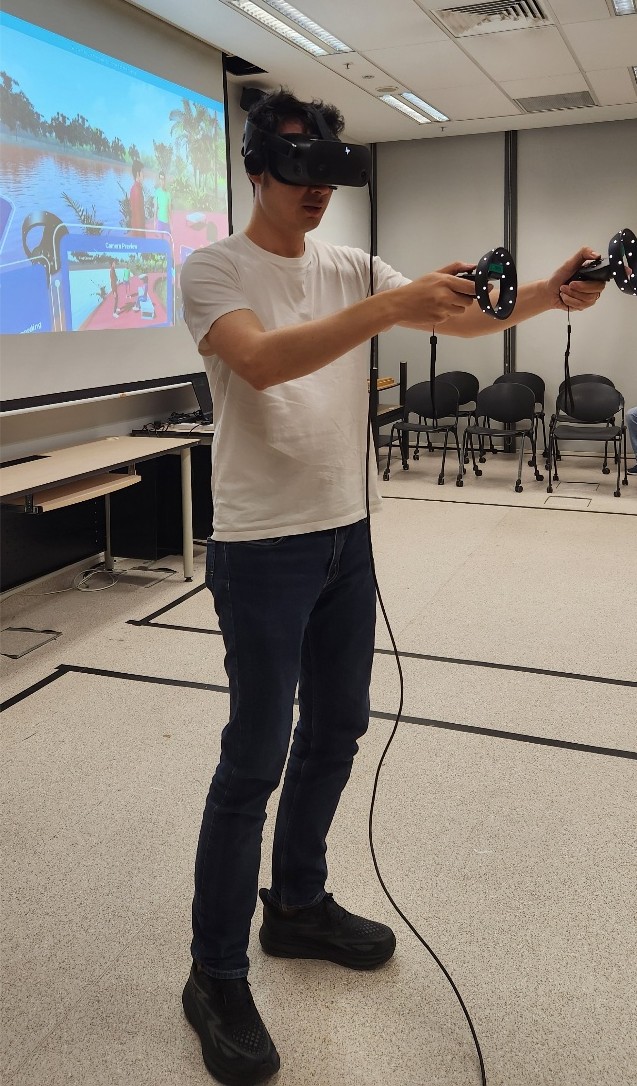
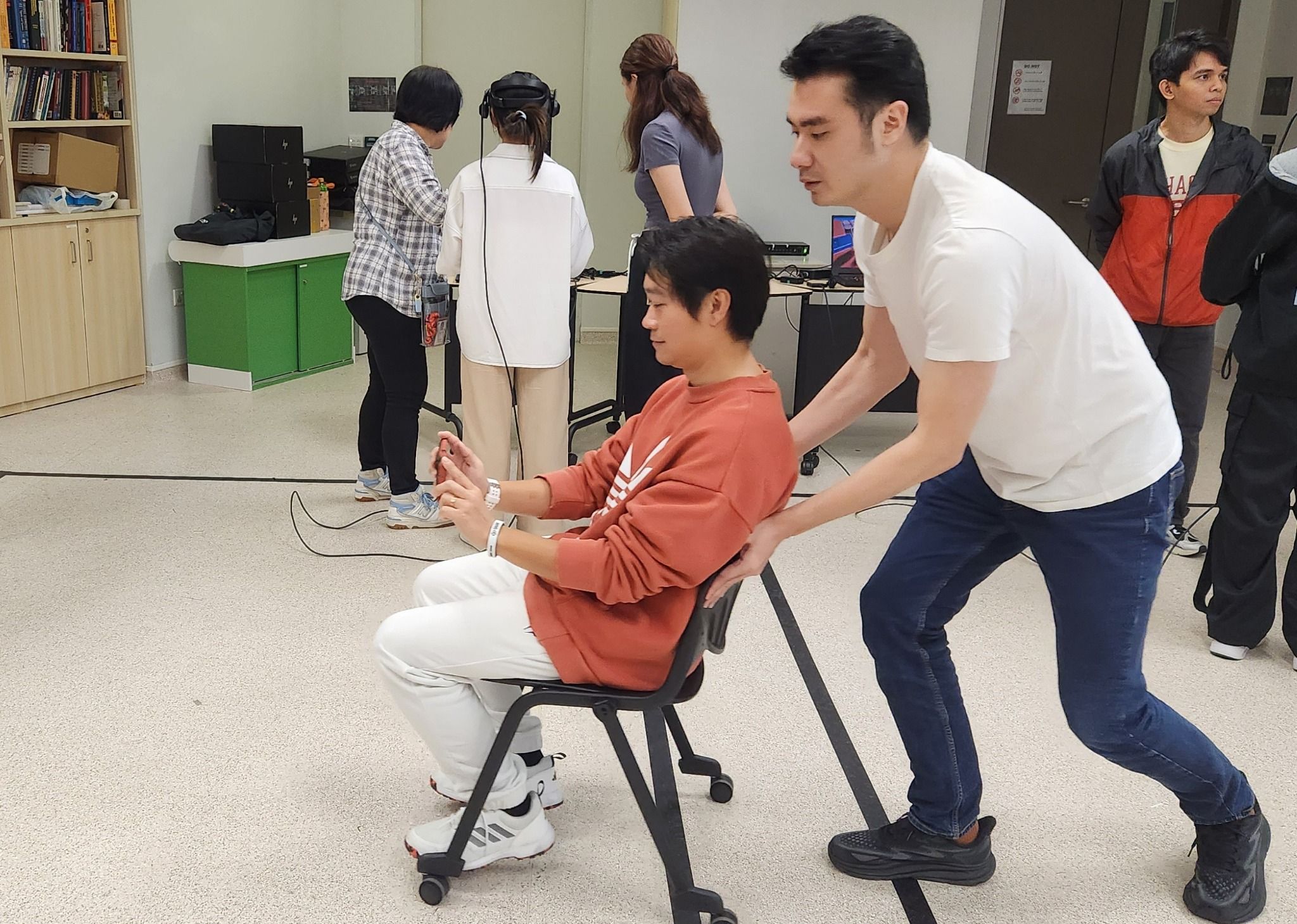
Trying out camera angles in VR.
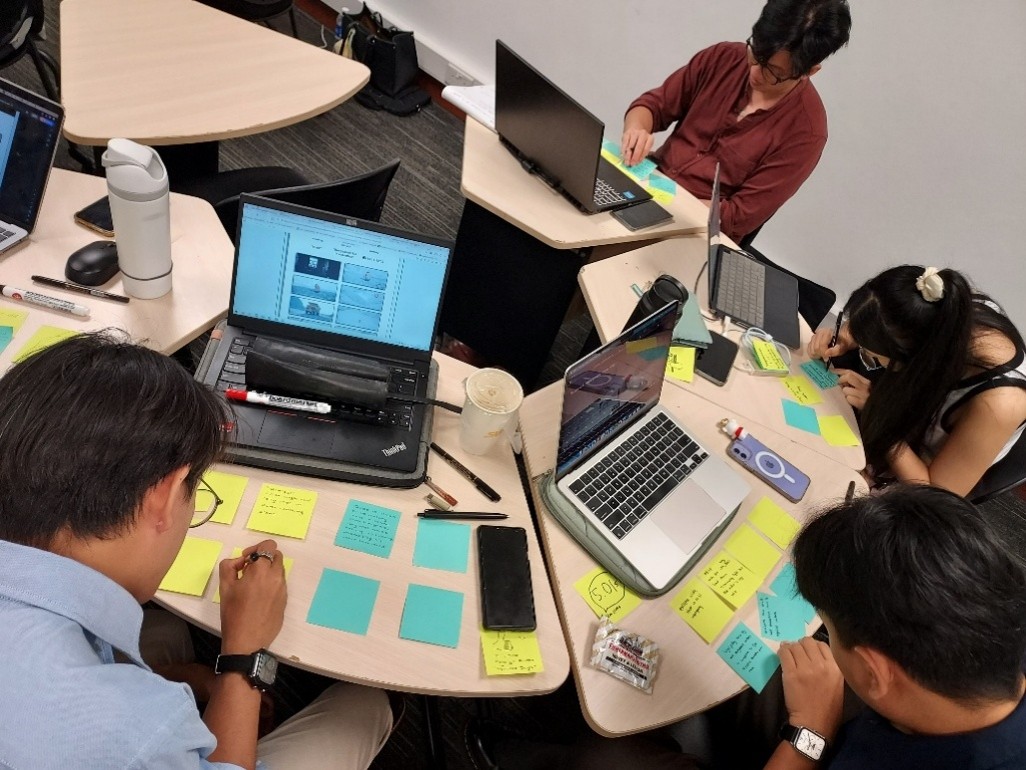
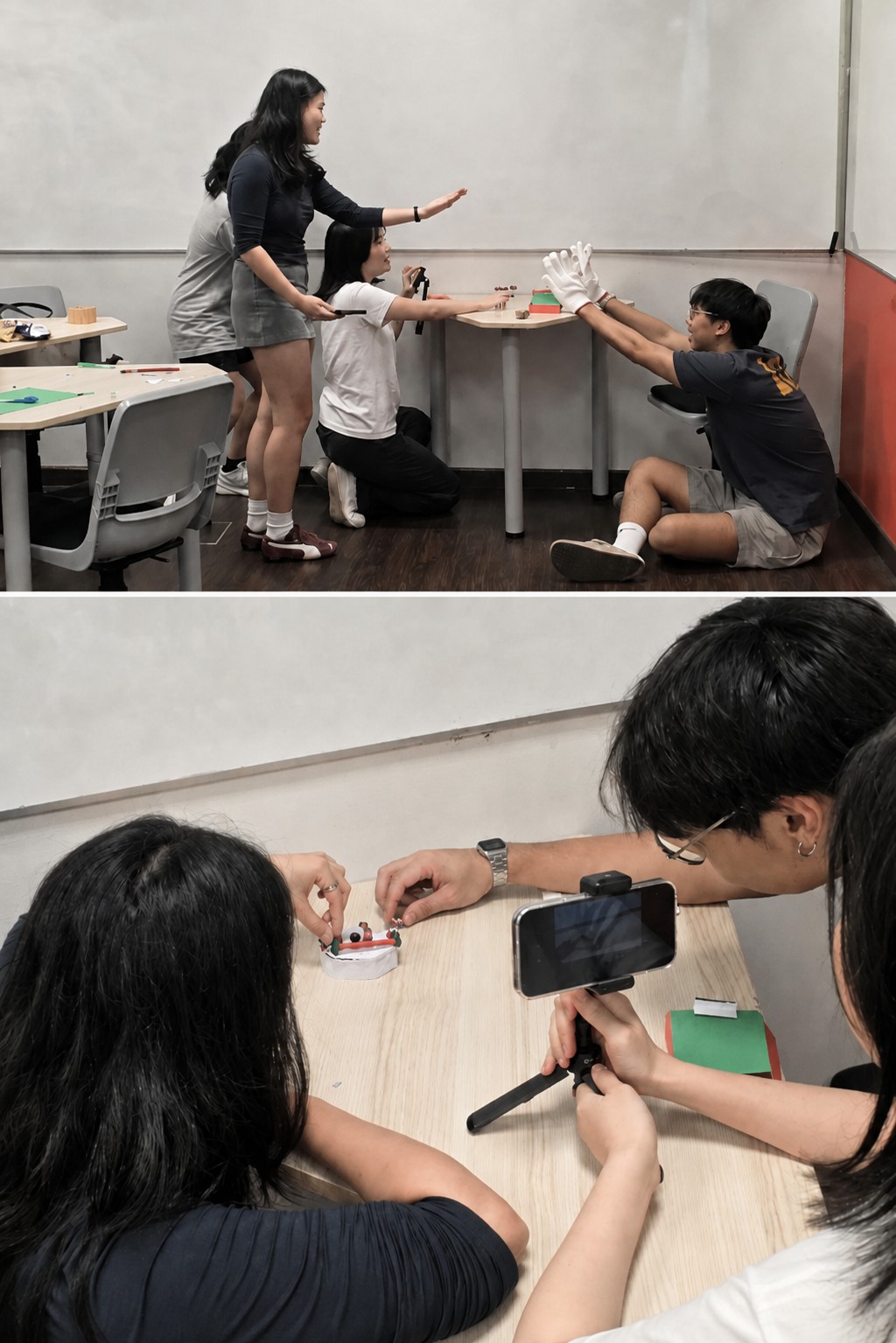
Students doing scene analysis.
Hear from Our Students and Partners
Terence Wong Teng Wei (BSc Finance with Minor in Film Studies)
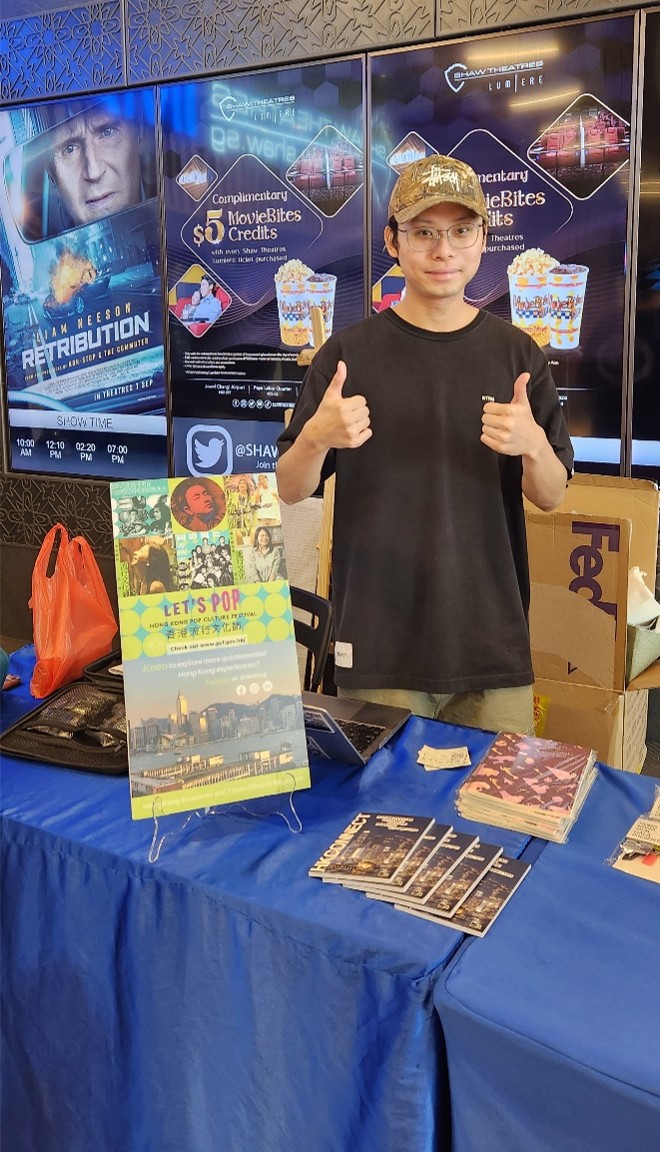
During my internship with SFS, I got to organize film festivals in partnership with diplomatic missions such as the Embassy of South Korea, Japanese Cultural Centre (under the Japanese Embassy), and Hong Kong Economic & Trade Office. I attended meetings with industry partners and cultural attachés to represent SFS's interests. I also oversaw key segments spanning marketing, operations, and public relations. Interning with the SFS was a fantastic experience.