Synopsis
Topics
- Introduction to Psychology: History & Perspectives
- Psychology as a Science
- Psychological Research
- Research Ethics
- Neurons & Neurotransmitters
- Nervous Systems and the Brain
- Sensation
- Perception
- Memory Structure & Functions
- Memory Processes
- Cognition, Thinking and Problem Solving
- Intelligence
Learning Outcome
- Define major concepts of Psychology
- Describe basic theories or principles of Psychology
- Explain the biological or cognitive bases of human behaviour and mental processes
- Discuss behaviour and mental processes using supporting theoretical/empirical evidence
- Identify various components of a research article and research methods
- Apply psychological concepts to explain everyday behaviour
- Practise a research method
- Present the references following American Psychological Association (APA) guidelines
| Academic Week | Seminar | Day & Time |
|---|---|---|
| 1 | 1 | Tuesday, 7pm–10pm |
| 2 | 2 | Tuesday, 7pm–10pm |
| 3 | 3 | Tuesday, 7pm–10pm |
| 4 | 4 | Tuesday, 7pm–10pm |
| 5 | 5 | Tuesday, 7pm–10pm |
| 6 | 6 | Tuesday, 7pm–10pm |
Relevance of Course to employment/upskilling/reskilling
This introductory psychology course supports employability, upskilling, and reskilling by developing foundational knowledge of human behaviour, evidence-based analytical skills, and research literacy. Through understanding psychological theories, biological and cognitive processes, and applied research methods, learners gain transferable competencies in critical thinking, professional communication, and ethical decision-making that are essential across contemporary workplaces. The course also lays the conceptual and methodological foundation for higher level psychology coursework, equipping learners with the core knowledge, research skills, and academic conventions required for further study and professional pathways within the field of psychology.
Schedule
| Academic Week | Seminar | Topic | Readings | Assessments |
|---|---|---|---|---|
| 1 | 1 | Psychology as a Science, Introduction to Psychology: History & Perspectives |
| Note: There are Pre-seminar Tasks for Seminars 2-6 with participation marks. |
| 2 | 2 | Research Ethics, Psychological Research |
| - |
| 3 | 3 | Neurons & Neurotransmitters, Nervous Systems and the Brain |
| - |
| 4 | 4 | Perception, Sensation |
| TMA 01 due |
| 5 | 5 | Memory Processes, Memory Structure & Functions |
| QUIZ 01 |
| 6 | 6 | Intelligence, Cognition, Thinking and Problem Solving |
| - |
| 7 | 7 | - | - | TMA 02 due |
| 8 | 8 | - | - | QUIZ 02 |
| 13 | 13 | - | - | Exam Revision |
| 15 | 15 | - | - | Written Exam |
Trainer Information
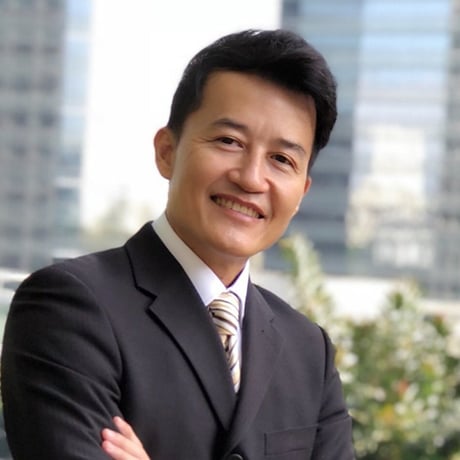
Dr. Tan Yeong Jong
Dr. Tan Yeong Jong is an Associate at the School of Humanities and Behavioural Sciences, where he teaches in the Psychology programme. Prior to this, he held a senior position at a U.S.-based consulting firm, where he spent over ten years specialising in consulting and training implementation for Fortune 500 companies and the Singapore government. In this role, he has advised more than 100 Fortune 500 organisations, been engaged over 200 times to lead conferences and team development events and delivered sessions to more than 10,000 professionals across Asia and internationally.
Dr. Tan’s consulting practice integrates his management experience with psychological research. Drawing on over a decade of experience in business consulting, he has trained individuals and organisations in effective influencing skills to support organisational excellence and to help clients extend their capabilities. His workshops are widely sought by corporate executives for their practical, results-oriented approach, with key topics including interpersonal influence, social and emotional intelligence, leadership, communication, employee retention, motivation, goal achievement, and sales effectiveness.
Dr. Tan holds a Bachelor of Science in Psychology from the University of Queensland, Australia, a Master of Arts in Applied Psychology, and a PhD in Psychology from Nanyang Technological University (NTU), Singapore.
Course Fees
| International Participants | Singapore Citizens (below 40yrs) & Permanent Residents (aged 21 and above) | SkillsFuture Mid-Career Enhanced Subsidy1 (S'poreans aged 40 and above) | Enhanced Training Support for SME2 (Singaporean and PRs) | |
|---|---|---|---|---|
| Full Course fee (A) | $1,753.00 | $1,461.00 | $1,461.00 | $1,461.00 |
| SSG grant (70%) (B) | - | $1,022.70 | $1,022.70 | $1,022.70 |
| Nett course fee (A) - (B) = (C) | $1,753.00 | $438.30 | $438.30 | $438.30 |
| 9% GST on nett course fee (D) | $157.77 | $39.45 | $39.45 | $39.45 |
| Total nett course fee payable, including GST (C) + (D) = (E) | $1910.77 | $477.75 | $477.75 | $477.75 |
| Less additional funding if eligible under various schemes (F) | - | - | $292.20 | $292.20 |
| Total nett course fee payable, including GST, after additional funding from the various funding schemes (E) - (F) = (H) | $1,910.77 | $477.75 | $185.75 | $185.75 |
1 Mid-Career Enhanced Subsidy:
Singaporeans aged 40 and above may enjoy subsidies up to 90% of the course
fees.
2 Enhanced Training Support
for SMEs: SME-sponsored employees (Singaporean Citizens and PRs) aged 21
and above may enjoy subsidies up to 90% of the course fees.
- Participants are required to achieve at least 75% attendance and pass any prescribed examinations/assessments or submit any course/project work (if any) under the course requirement.
- Participants are required to complete all surveys and feedbacks related to the course.
- The course fees are reviewed annually and may be revised. The University reserves the right to adjust the course fees without prior notice.
- Singapore University of Social Sciences reserves the right to amend
and/or revise the above schedule without prior notice.
For clarification, please contact the SUSS Academy via the following:
Telephone: +65 6248 0263
Email: [email protected]