Exploring Global Best Practices in Youth Work: A Finnish-Singapore Exchange
Date: 17 Sep 2025
News Type:Event Highlights
School/Department: S R Nathan School of Human Development
On September 17, 2025, the S R Nathan School of Human Development partnered with the Ministry of Culture, Community and Youth (MCCY) to organise a seminar on youth development and youth work in Finland.
We welcomed Ms. Ulla Lunkas and Mr. Kim Lindblad from Finland’s Humak University of Applied Sciences. Facilitated by the Ministry of Culture, Community and Youth (MCCY), their visit provided timely insights into global youth work practices, offering fresh perspectives for Singapore’s youth sector.
Lively discussion and curious minds: Ms. Ulla keeping the energy high!
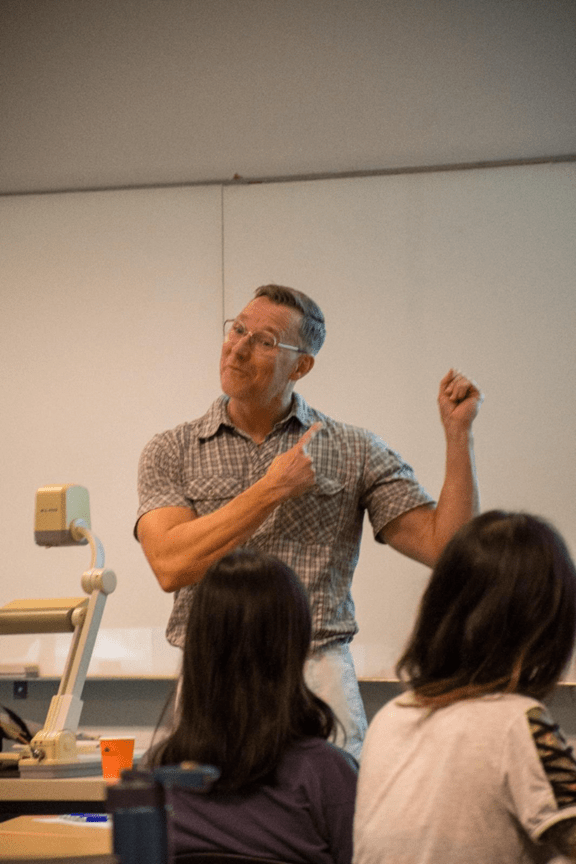
Thoughtful exchanges in action: Mr. Kim leading a lively Q&A with active participation
As Singapore places greater emphasis on youth development, this dialogue brought together practitioners from both the non-profit and government sectors, united in their mission to better engage and support youths in a changing social landscape.
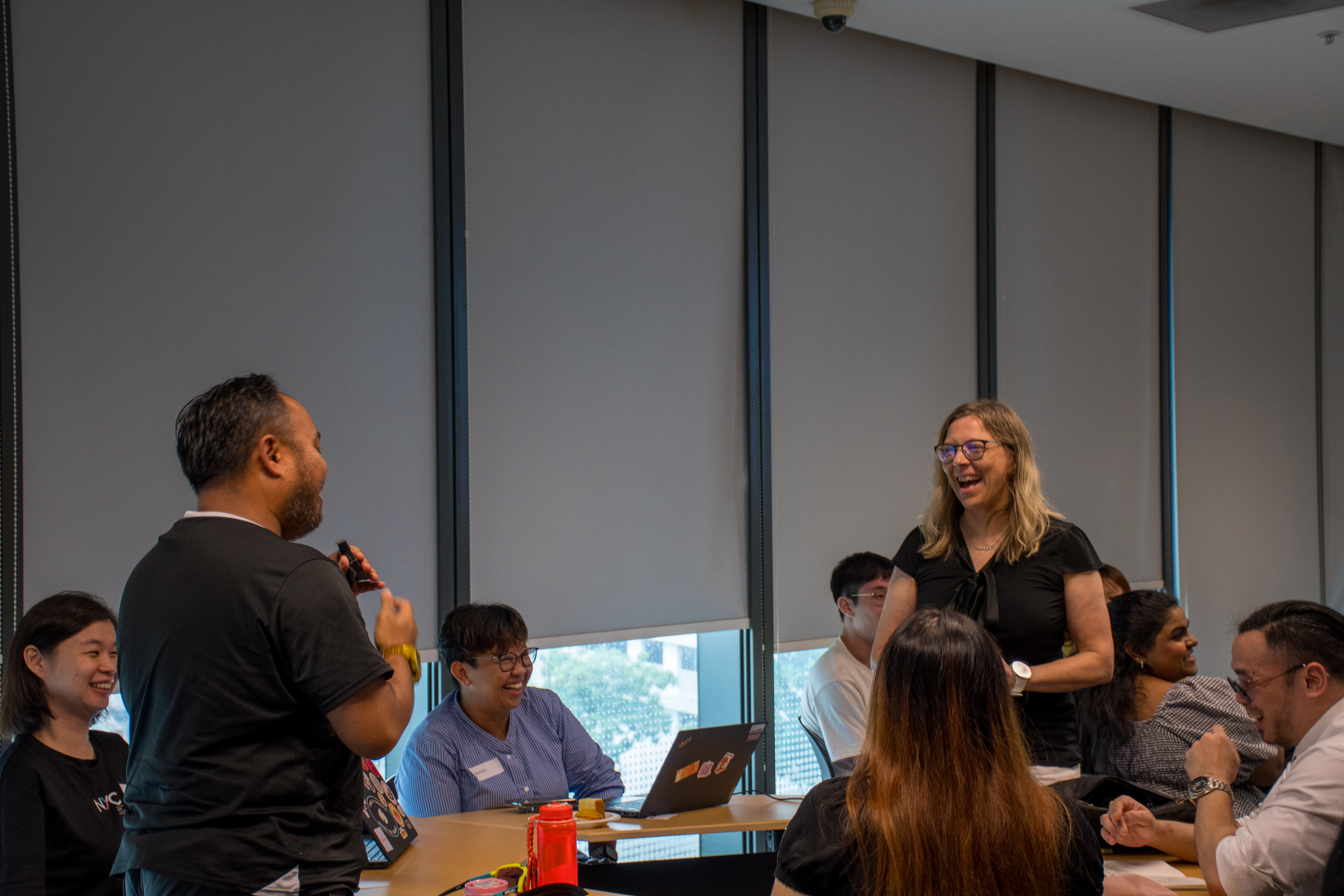
A participant takes the spotlight, sharing his insights in response to Ms. Ulla's questions
Finland’s Approach: Legal Frameworks and Municipal Responsibility
Despite a similar population size (5.5 million), Finland’s vast geography and decentralized governance offer a unique model for youth engagement. Anchored by the Youth Act 2017, municipalities are legally responsible for delivering consistent, accessible youth services nationwide. This framework elevates youth work as a respected profession within Finland’s education and social systems.
Humak, Finland’s smallest applied university, is the country’s largest provider of youth work education, underscoring a national commitment to professional and quality youth services. Finnish youth work goes beyond service delivery but also focuses on holistic development and active youth participation. As youth needs grow increasingly complex, learning from such international models encourage Singapore to rethink and strengthen its own approach, with the integration of both government and non-government partnerships.
Innovative Outreach Models in Public and Digital Spaces
Finland’s adaptive outreach strategies include mobile youth work and digital youth engagement. Youth workers interact with young people in informal settings, such as train stations like Helsinki’s Circle Line, and online platforms that offer real-time, confidential support.
Lively discussion in full swing: participants exchanging valuable ideas and building on each other's thoughts
These methods underscore a key takeaway, that effective engagement involves meeting young people where they are, both physically and digitally. Singaporean practitioners found these approaches especially relevant as they explore similar strategies to connect with underserved youth. For instance, participants discussed the idea of creating an online platform (i.e. Discord) where young people can interact with one another, search for local events and activities, chat with peers, and discover shared interests or groups. Such a digital space could serve as a valuable touchpoint, helping youth form connections that extend into the physical world.
Shared Values, Local Contexts, and Key Takeaways for Singapore
Despite the differences in scale and infrastructure, both Finland and Singapore share values of prevention over intervention, youth participation, and cross-sector collaboration. Singaporean youth workers appreciated the systemic nature of Finland’s approach, particularly the seamless link between national policy and local implementation. Three takeaways emerged:
- Youth-Centred, Voluntary Participation
- Finnish youth work treats young people as partners, not merely beneficiaries, in the design and delivery of services. This approach fosters trust, a sense of ownership, and more meaningful co-creation, offering a model for Singapore to move beyond tokenistic consultation. Similar to the budget constraints in Finland, concerns around funding in Singapore have contributed to a youth work landscape that often feels project-based and adult-centric, rather than grounded in a genuine understanding of what young people truly want. The goal is to create a "third space" within the community, an unstructured, safe environment where youth can simply be themselves.
- Clear Distinction Between Youth Work and Social Work Enhances Impact
- In Finland, youth work is voluntary and preventive, while social work is intervention-based. This clear separation of roles improves resource allocation and strengthens service effectiveness, offering valuable lessons for refining Singapore’s youth sector identity and delivery. Participants discussed the need for more targeted support, particularly in identifying at-risk youth and understanding the factors that place them at risk. This contrasts with Finland’s broader preventive approach, raising questions about how best to balance universal support with focused intervention.
- Legal Frameworks and Multi-Sector Collaboration Ensure Sustainability
- The Youth Act, supported by multi-sector partnerships involving municipalities, NGOs, parishes, and national bodies, ensures sustainable and high-quality youth work in Finland. Singapore can draw lessons from this integrated model to build a resilient and adaptable youth work ecosystem, fostering stronger collaboration between government and non-government partners for deeper engagement.
Why This Matters: Building a Resilient Youth Ecosystem
Youth work is about empowering young people to thrive and participate fully in society. As challenges like mental health, inclusion, and employment transitions become more complex, global insights like Finland’s can shape better policies, outreach, and professional development in Singapore.
This exchange deepened understanding, inspired reflection, and reinforced the importance of policy alignment, professional boundaries, and youth-centred engagement.
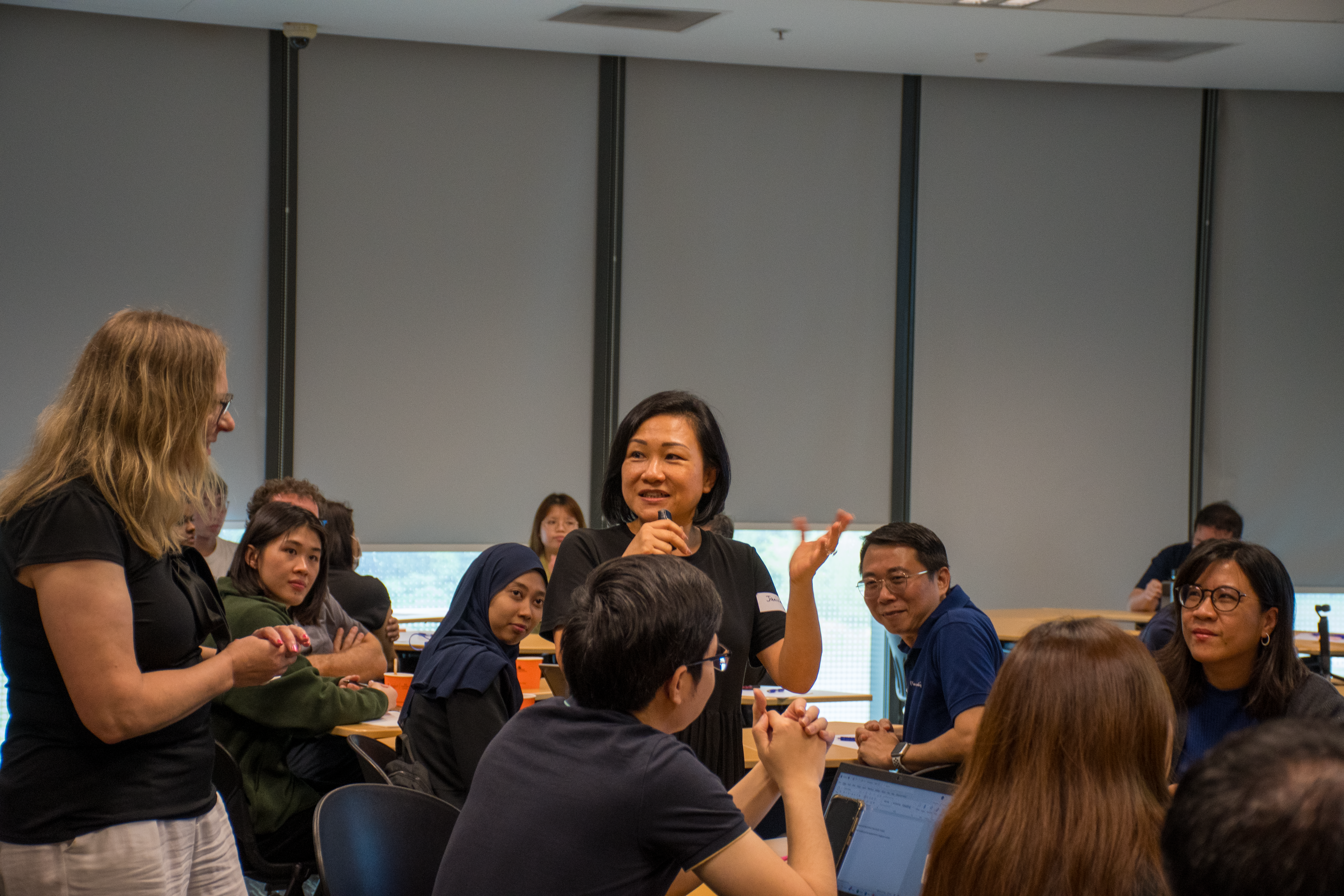
Bright ideas and brighter smiles: a Q&A session filled with energy and enthusiasm
Looking Ahead: SUSS’s Commitment to Youth Work Education
The visit underscores a key truth that effective youth work is essential to building a resilient and inclusive society. It requires more than good intentions but clear frameworks, skilled professionals, and a commitment to continuous learning. Through embracing these principles, we can build a youth ecosystem that not only supports youths but allows them to lead confident and purposeful lives.
Aligned with SUSS’s mission, this exchange strengthens our efforts to advance youth work education through applied learning, international collaboration, and policy dialogue.
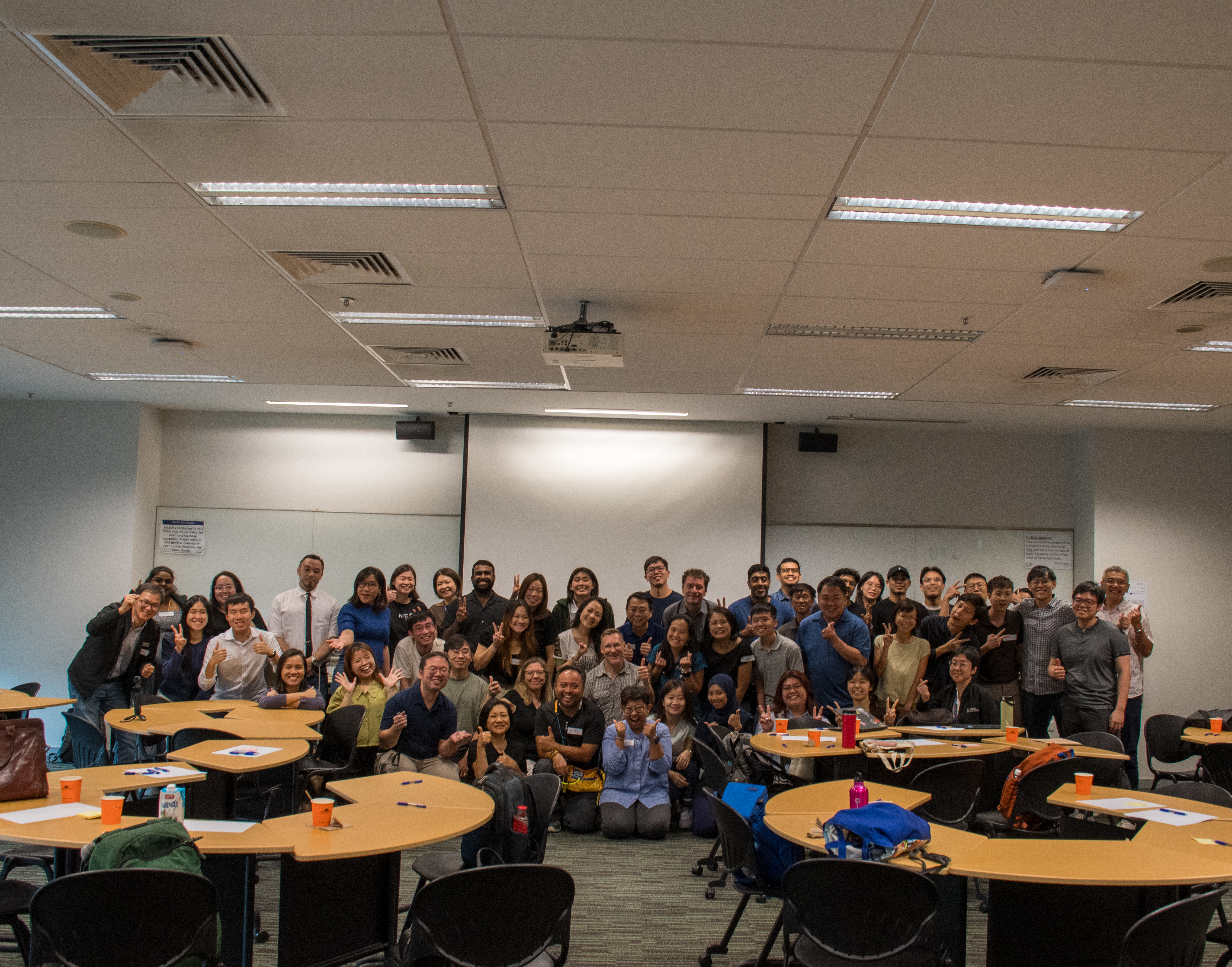
Smiles all around after an insightful and engaging session!
The S R Nathan School of Human Development extends its heartfelt thanks to MCCY for facilitating this initiative and expresses its gratitude to Ulla and Kim for sharing their expertise and enriching our collective journey.
Kiitos (thank you) for being part of building a resilient and inclusive youth ecosystem.
Explore the S R Nathan School of Human Development programmes:
SUSS offers specialised programmes to prepare future professionals and upskill current professionals to lead meaningful changes in organisations and society.