Who Gets to Define Impact? Co-Designing the Service-Learning Impact Survey with Community Partners
Date: 17 Nov 2026
News Type:Event Highlights
School/Department: College of Interdisciplinary & Experiential Learning
A programme’s impact is often measured by what is easiest to count: hours served, participation numbers and satisfaction scores. While useful, these figures alone reveal little about whether meaningful change has occurred within communities.
“We have sought to look beyond conventional indicators of success in our Service-Learning programmes, recognising that what is easily measured does not necessarily reflect what communities value,” explained Dr Cynthia Chang, Assistant Dean of SUSS College of Interdisciplinary & Experiential Learning (CIEL).
She observes that when funders prescribe particular performance indicators, these can inadvertently shape programme priorities and practices. Measures do not simply describe success; they can also influence how it is pursued. Who defines impact, therefore, matters as much as what is measured.
That conviction shaped the September 2026 edition of Community Partners’ Connect where over thirty Community Partners (CPs) of NIE301 Learning with Communities participated in small group discussions across four themes: Responding to Community Priorities, Empowerment and Agency, Sustainability, and Evaluation of Partnership. Beyond reflecting on their experiences mentoring SUSS students on the course, CPs were invited to co-design the Service-Learning Impact Survey by proposing questions that reflect what matters most to them.
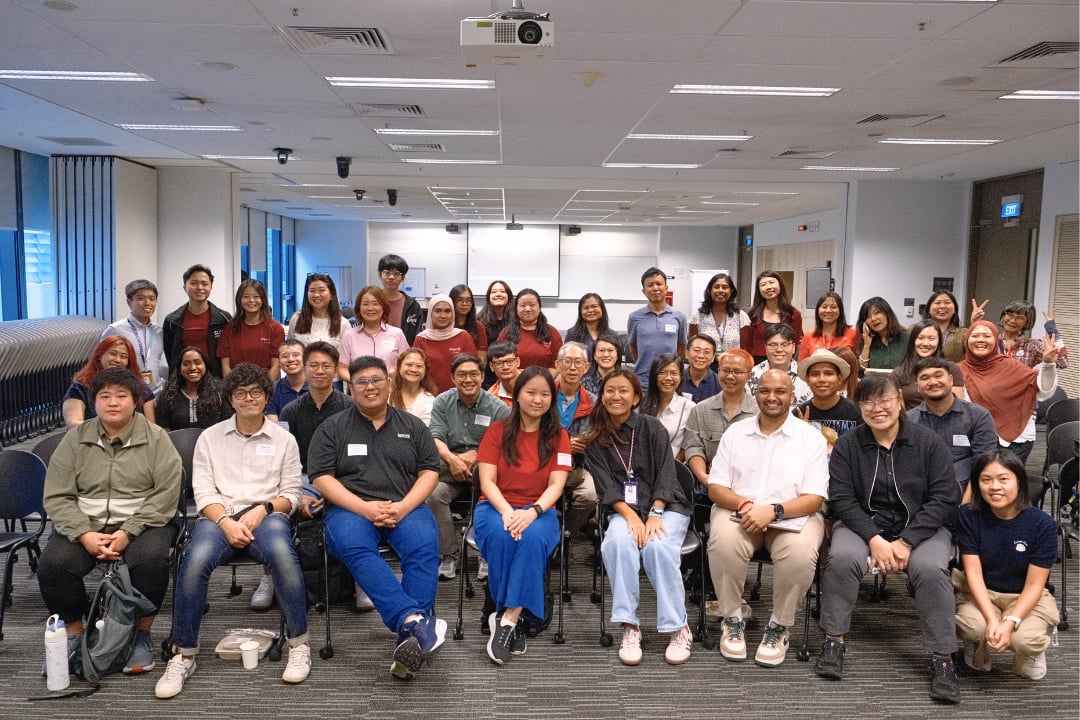
At Community Partners’ Connect held on 24 September 2026
Why co-design?
First administered in the January and July 2025 semesters, the survey examined reciprocal partnerships, alignment with CPs’ organisational missions, and impact on the communities served. Its initial questions drew on established instruments from overseas institutions, adapted to the NIE301 context.
However, what the university considers meaningful impact may not fully reflect what partners value. Inviting CPs to shape the survey puts Community Voice, one of SUSS’s five key elements of Service-Learning, into practice. After all, a survey intended to measure reciprocity should itself be developed through reciprocal engagement.
What matters to Community Partners?
While the original survey focused largely on project outcomes, the discussions revealed that CPs also valued how those outcomes were achieved. Beyond project results, partners emphasised the quality of students’ engagement with the community, opportunities for shared learning, and sustainability, broadening the team's understanding of meaningful impact to include the processes and relationships that enable it.
Under the theme of Responding to Community Priorities, CPs highlighted the importance of understanding communities before proposing project directions. “We often ask the students to not just talk to the staff, but to the [community members]. We encourage them to observe, chit-chat and interact,” shared Chow Yun Feng of New Life Community Services. “Without real-life interaction, it is all in the [students’] head.”
Without such engagements, students risk developing initiatives based on assumptions rather than community realities, potentially leaving insufficient time for adjustments. This prompted proposed survey questions on the quality of both students’ interactions with community members and their consultations with CP Mentors throughout project planning and implementation.
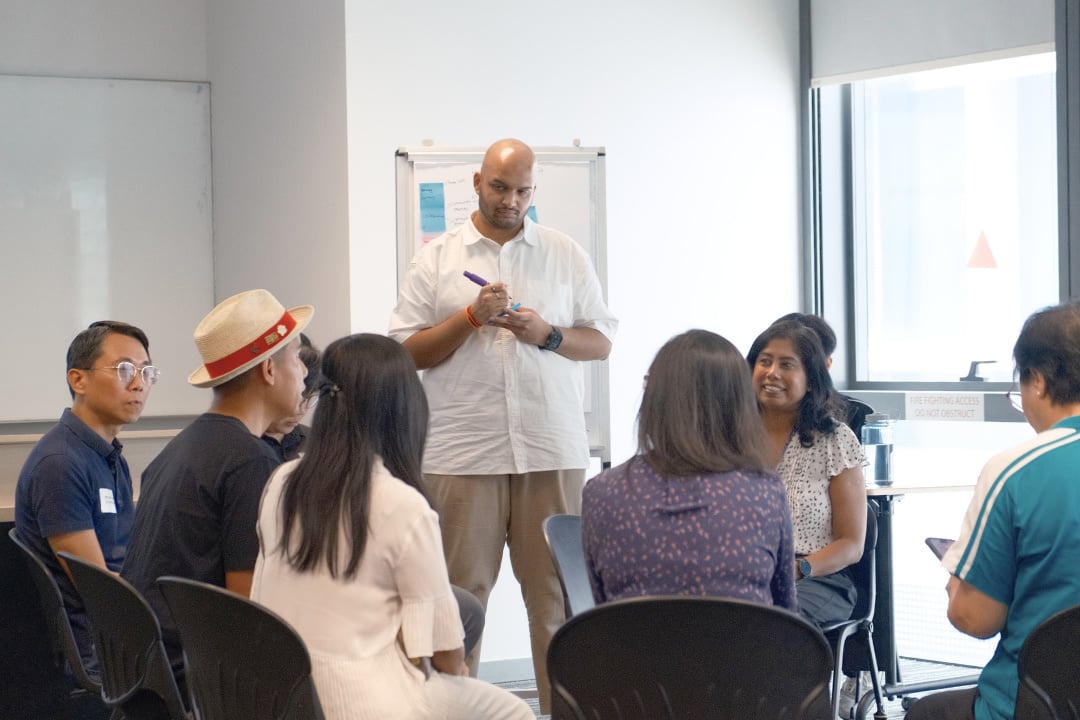
Gathering insights from NIE301 Community Partners
Discussions on Empowerment and Agency surfaced a tension between students’ ideas and what the community prioritises. Bernice Bernales of Metropolitan YMCA Singapore shared how community members offered candid feedback on students’ ideas: “They are very direct if they do not like the programme at all. It gave the students a bit of a shock, but they learnt to observe and ask questions.”
Students were also invited to sit in on an existing programme, which gave them “a better perspective on how to curate their programme to be more relevant and adapted to the community members.” In this way, partners play an active role as co-educators, prompting survey questions on how NIE301 enables partners to shape purposeful student learning while balancing student agency with community priorities.
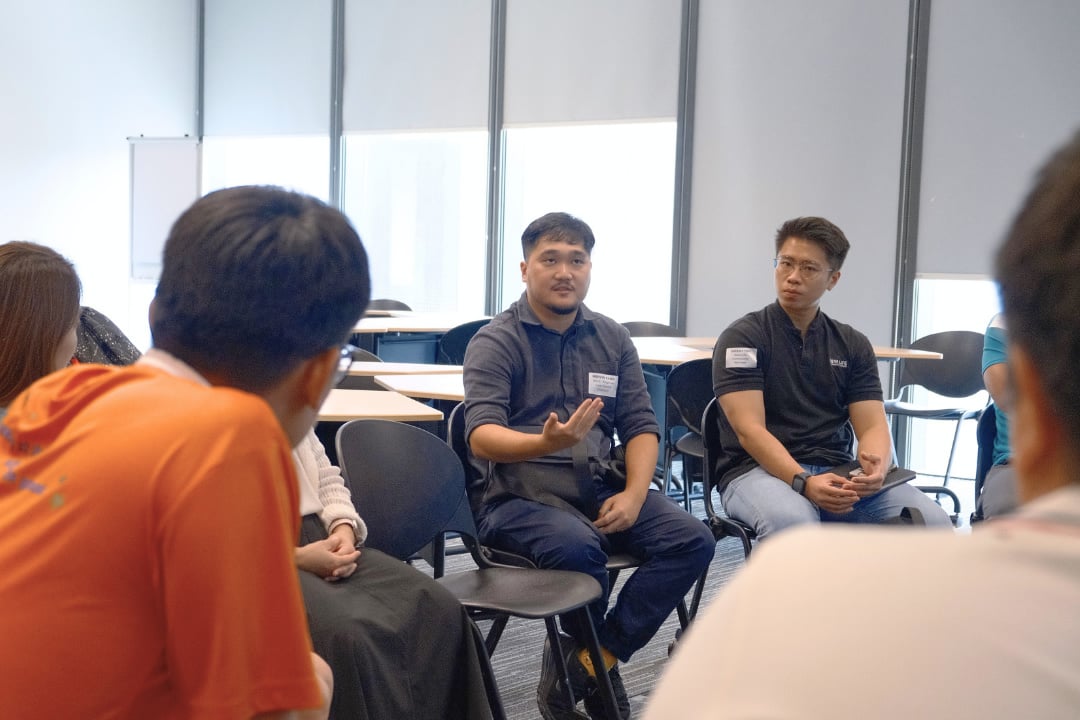
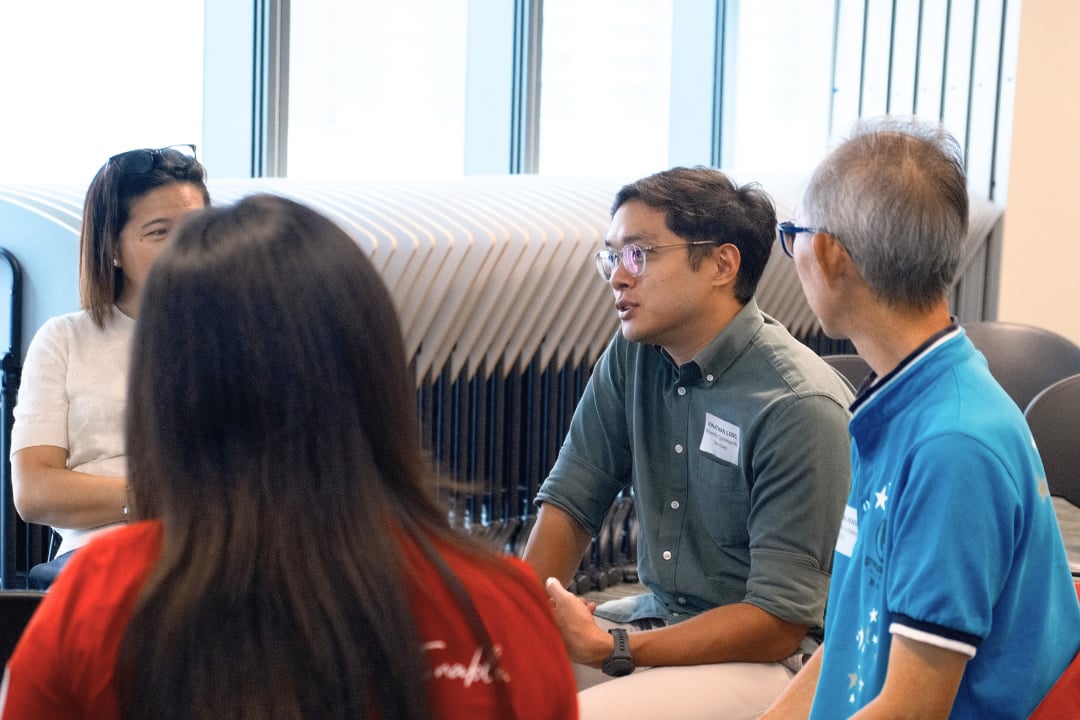
Community Partners sharing what matters to them in small group discussions
Sustainability carried different meanings for different partners: the continuation of a programme, an enduring partnership, or the persistence of a project’s “heart” or purpose beyond students’ involvement. CPs also stressed the practical realities of sustaining initiatives with limited manpower and funding. Their suggestions thus focused on whether projects could continue with existing resources and whether communities were empowered to continue the work forward independently.
Finally, under Evaluation of Partnership, CPs expressed a desire for more opportunities in the survey to highlight challenges, recognise students’ strong contributions and provide nuanced feedback. Beyond evaluating students, they also hoped to learn from the collaboration, reflecting what reciprocity looks like in practice.
Where do we go from here?
The revised survey is expected to be rolled out by the end of 2026. The discussions have offered an important lesson: understanding impact requires looking beyond what is achieved to consider how change happens, and whose priorities it serves.
Every measure reflects a choice about whose definition of success counts. By involving CPs in shaping these measures, the survey becomes more than an evaluation tool. It becomes an expression of Community Voice and Reciprocity, recognising that meaningful impact should be defined with communities, not simply measured on their behalf.