
BLOGS
UNBOUND brings together stories that don’t follow a single path – shaped by real-world challenges, lived experience, and the ideas that emerge along the way. From research to community impact, these are the stories behind SUSS.
Keep up-to-date by subscribing to our monthly LinkedIn newsletter.
Subscribe on LinkedIn
A Job May Not Be Enough to Help Someone Start Again
30 Oct 2026|3 Mins Read
Finding work can help someone get back on their feet. But employment alone may not address limited family support, stigma or other barriers. SUSS graduates Muhammad Hafiz Bin Samad and Jai Prakash examine why tackling one problem in someone’s life may leave others untouched.
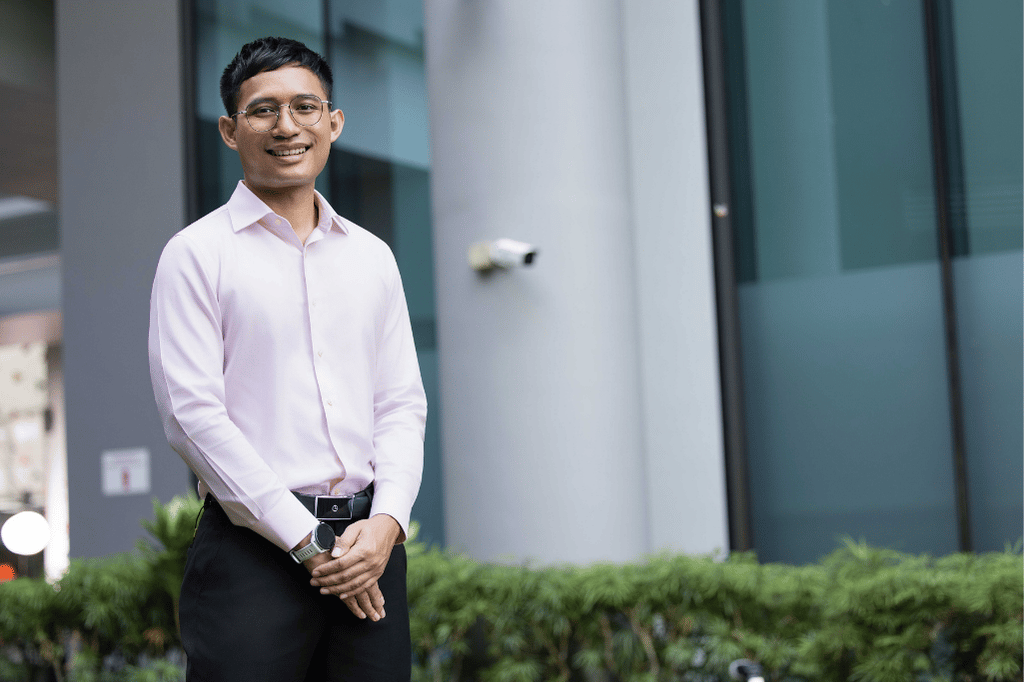 Driven by his commitment to help young offenders rebuild their lives, Hafiz pursued further studies at SUSS to better understand the social factors that influence their rehabilitation and reintegration into society.
During his time as a Senior Reintegration Officer with the Singapore Prison Service, Muhammad Hafiz Bin Samad noticed something that complicated his understanding of rehabilitation.
For some of the young offenders he worked with, prison provided a degree of familiarity and structure that was harder to find outside.
After release, some returned to families with limited means to support them and faced fewer opportunities for education and employment. The stability they had grown accustomed to could disappear at precisely the point when they were expected to start rebuilding their lives.
“While many might be motivated to change, the reality of life outside prison can be overwhelming when they return to circumstances that offer limited support and opportunities,” Hafiz says.
His experience led him to pursue a Master of Social Sciences at SUSS, where he explored how policies could better address structural inequalities affecting young offenders. His research examined family circumstances, social environments, stigma and access to opportunities, and how these could affect a person’s ability to rebuild their life.
When One Solution Leaves Other Problems Behind
The same problem interested Dr Jai Prakash, but from a different vantage point.
 Beyond teaching and conducting research at SUSS, Jai works closely with public agencies and social service organisations to find practical solutions that solve real-world challenges.
After a career spanning social policy, operations and organisational development, he pursued a PhD at SUSS to better understand how government agencies, social service organisations and communities could use systems thinking to address complex social problems.
“No single agency can tackle complex social issues,” he says.
“In simple terms, systems thinking means looking beyond an immediate problem to understand the root causes.”
Employment provides a simple example. Helping someone find a job can address an immediate need. But limited family support, social stigma and access to other opportunities can continue to affect that person’s ability to rebuild their life.
That thinking resonated with Hafiz’s experience: changing behaviour was one part of rehabilitation; the conditions to sustain that change mattered too.
Where Their Work Took Them Next
Midway through his PhD, Jai Prakash left full-time employment to pursue consulting and research, preparing to rely on his savings while his wife supported the family.
Today, he runs Soci.Train, a social impact consultancy working with public agencies and social service organisations to question assumptions and identify practical solutions. He also teaches and conducts research at SUSS.
Hafiz is now a Senior Trainer, where he hopes to apply what he has learnt while training new prison officers and contributing to rehabilitation efforts.
His studies also changed how he sees the people at the centre of that work.
“I became more aware of the importance of looking beyond the offence and seeing the person behind it,” he says.
You Might be Interested
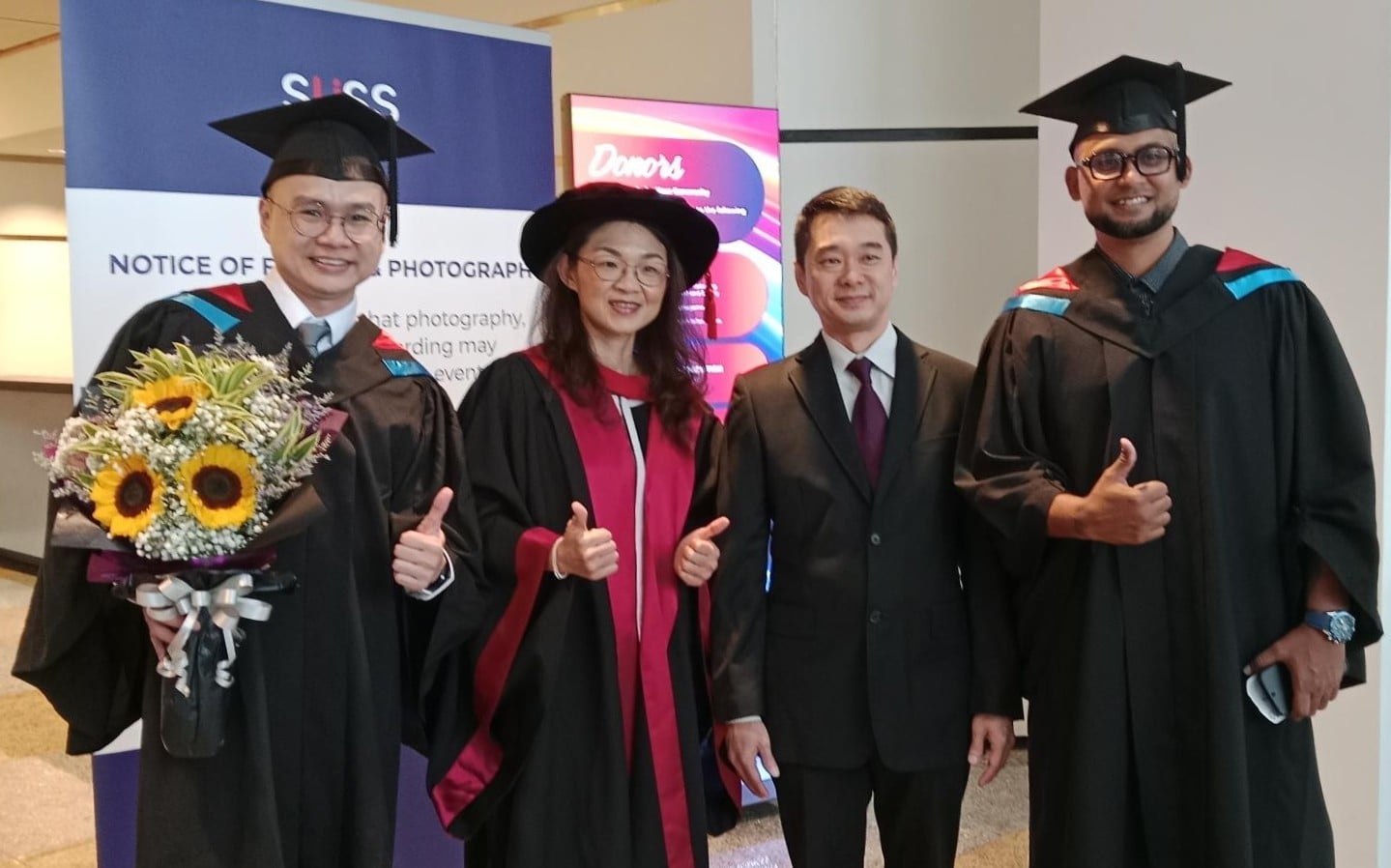
The Long Road from Prison School to Graduation
For Kong Wye Wah and Alam Shah Bin Mohamed Ayoob, starting university in prison was only part of the challenge. Completing their degrees meant carrying on after release, amid uncertainty, financial pressure and the difficult work of rebuilding their lives.
30 Oct 2026|4 Mins Read

She Once Wondered If University Was for Her. Now She Wants a PhD.
A diagnosis midway through university changed how Nur Asherah Asteroth Azlie understood difficulties she had lived with for years. She and fellow adult learner Emily Ho found that finishing a degree while working required more than determination alone.
30 Oct 2026|3 Mins Read
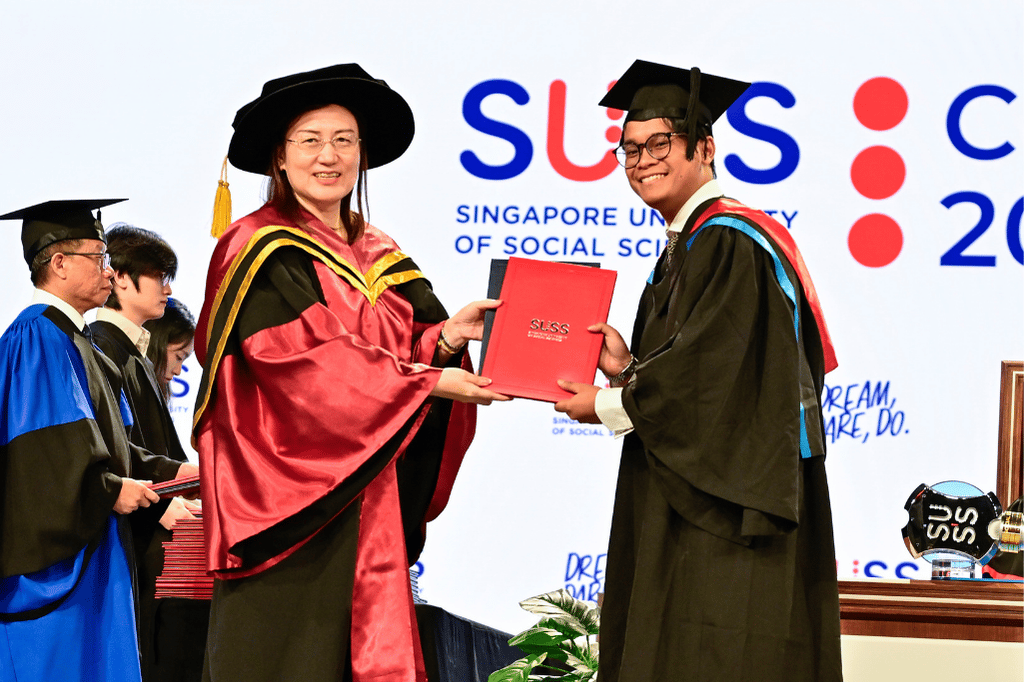
He Knew How to Get People’s Attention. But Was That Enough?
Running Cheekies taught entrepreneur Nabill Shukry Johary how to attract an audience. Studying marketing at SUSS led him to ask a bigger question: what makes people remember, trust, and ultimately buy from a business?
30 Oct 2026|3 Mins Read

Subscribe to UNBOUND
UNBOUND brings together stories that don’t follow a single path – shaped by real-world challenges, lived experience, and the ideas that emerge along the way. From research to community impact, these are the stories behind SUSS.
Keep up-to-date by subscribing to our monthly LinkedIn newsletter.
Subscribe on LinkedIn