
BLOGS
UNBOUND brings together stories that don’t follow a single path – shaped by real-world challenges, lived experience, and the ideas that emerge along the way. From research to community impact, these are the stories behind SUSS.
Keep up-to-date by subscribing to our monthly LinkedIn newsletter.
Subscribe on LinkedIn
AI Detection Isn’t the Real Problem In Education
12 Jun 2026|3 Mins Read

When educational technology platform Turnitin adjusted its AI detection model last year, many educators noticed a sharp increase in assignments being flagged as “AI-written”. That raises a difficult question: What happens when a student who genuinely completed their own work is wrongly flagged?
Educators worry that overreliance on AI tools may weaken critical thinking, compromise learning outcomes, and create unfair advantages in assessment. Yet the real issue may not be AI use itself, but how we assess learning in an AI-enabled environment.
- Veracity: Is the information accurate and supported by evidence?
- Relevance: Does the response meaningfully address the question?
- Understanding: Can the student explain the logic and reasoning behind their work?
- asking students to engage with highly course-specific concepts
- requiring references with verifiable links
- incorporating recent developments or breaking news
- following up orally with students when needed
Ironically, if a student uses AI thoughtfully enough to produce work that demonstrates accuracy, relevance, and coherent reasoning, they have likely engaged more deeply with the material than we often assume.

Associate Professor Adrian Kwek is from the College of Interdisciplinary & Experiential Learning at the Singapore University of Social Sciences. His research examines critical thinking and issues in applied ethics.
You Might be Interested

Not All AI Is Equal. An SUSS Researcher Explains What That Means For Your Job
Not all AI affects employees in the same way.
12 Jun 2026|3 Mins Read
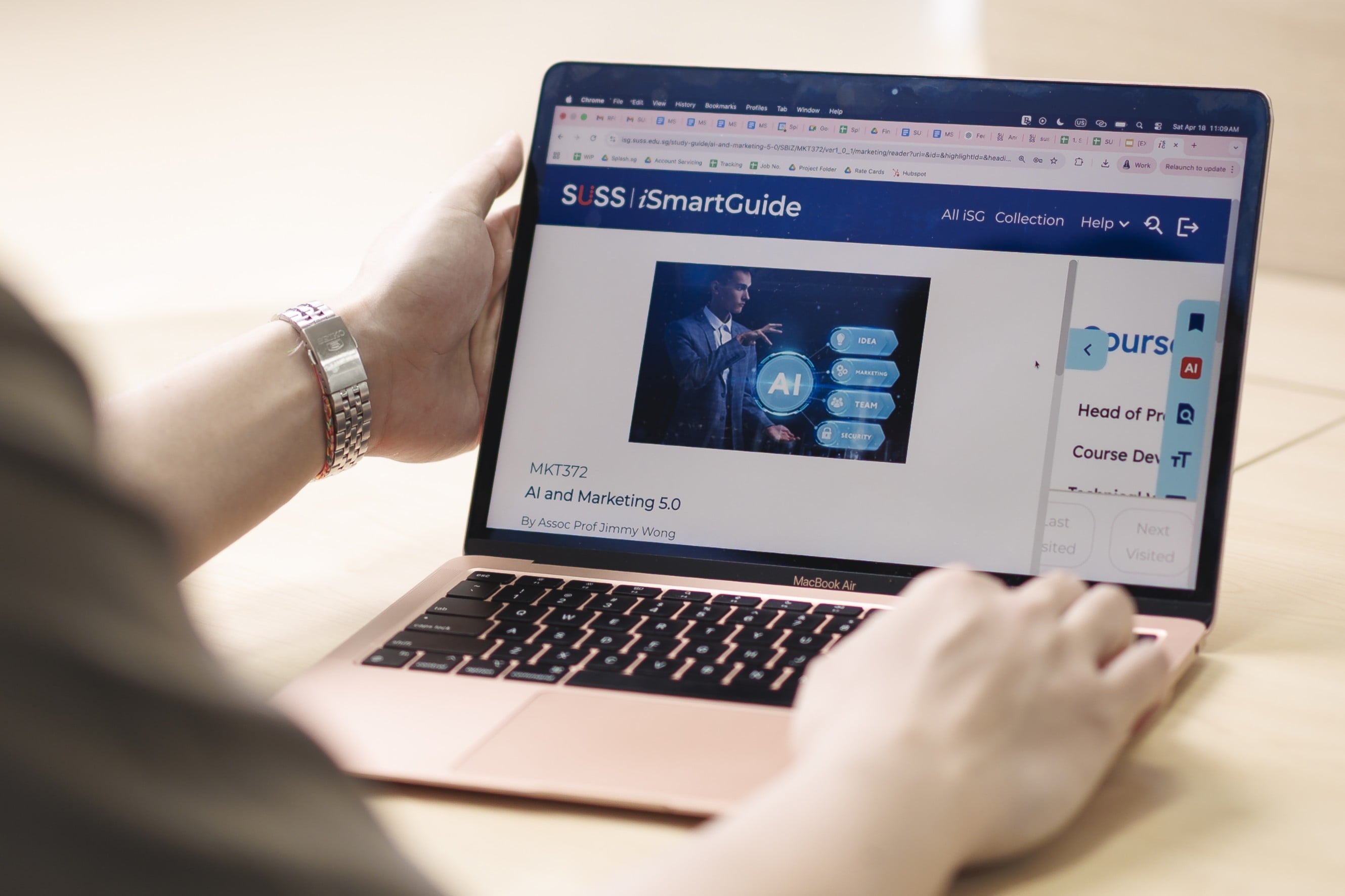
The AI She Nearly Didn’t Want to Use
SUSS built an AI-enhanced learning tool used by more than 22,000 learners.
12 Jun 2026|2 Mins Read
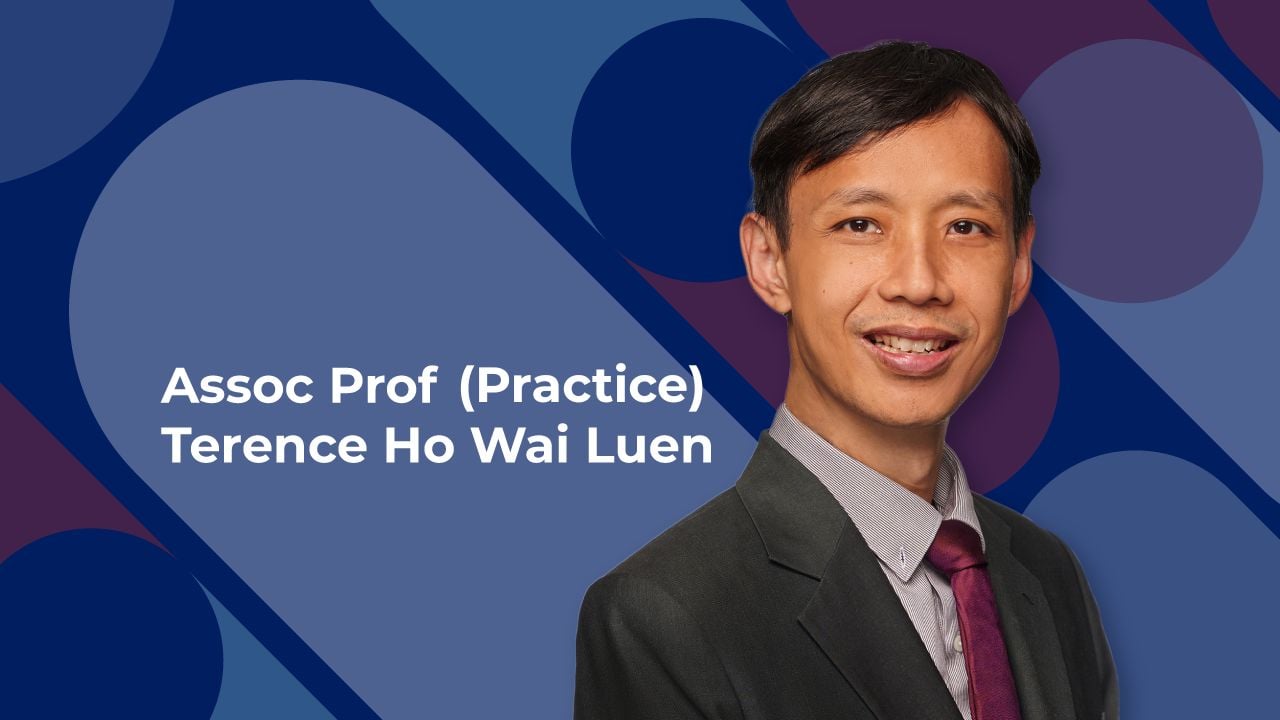
Two Roles, One Argument: Associate Professor Terence Ho on Why Lifelong Learning Is a National Imperative
An unusually grounded view of what Singapore's workforce actually needs as AI reshapes industries faster
14 May 2026|1 Mins Read

Subscribe to UNBOUND
UNBOUND brings together stories that don’t follow a single path – shaped by real-world challenges, lived experience, and the ideas that emerge along the way. From research to community impact, these are the stories behind SUSS.
Keep up-to-date by subscribing to our monthly LinkedIn newsletter.
Subscribe on LinkedIn