Most people talk about AI at work as a single phenomenon. Dr Cao Jieqiong's research shows why that misses the point, and what the difference actually costs employees who get it wrong.
The anxiety most people feel about AI at work tends to arrive as a single, undifferentiated dread. AI is coming. Jobs are at risk. Something will change. But which AI, doing what, for whom? That specificity rarely makes it into the conversation.
Dr Cao Jieqiong, a faculty member at the Singapore University of Social Sciences (SUSS), noticed that gap. "The public conversation about AI tends to collapse into one of two extremes," she says. "Either AI is going to supercharge productivity, or it's going to take everyone's jobs. When I looked at the research, and at what was actually happening in organisations, neither of those stories captured the full picture."
Her research, published earlier this year in the Journal of Open Innovation: Technology, Market, and Complexity, offers something more useful: a framework for understanding not just whether AI is in your workplace, but what it is actually doing there and why that distinction matters more than most people realise.
Three Types, Three Very Different Experiences
The framework Dr Cao and her co-researchers developed distinguishes between three types of AI function.
Assistive AI handles the repetitive, time-consuming parts of a role: sorting data, filtering information, managing scheduling. The employee remains fully in control. "It feels like having a very efficient assistant," she says.
Augmented AI is more complex. It reshapes how decisions get made, surfacing information or analytical capabilities that go beyond what the employee could access alone. A hiring manager whose system extracts signals from a wider range of candidate data before an interview is working with augmented AI. The decision is still theirs, but the inputs have changed.
Autonomous AI shifts the dynamic most significantly. Here, AI generates recommendations or instructions, and the employee's role is to execute. Examples: a logistics worker whose system determines delivery routes and timings, or a financial analyst whose AI generates trade recommendations. "From the employee's perspective," Dr Cao explains, "it can feel like the decision-making weight has moved away from you."
The Psychology of Opportunity And Threat
What makes this typology practically significant is what it predicts about employee psychology. Across three separate studies, the research tracked how each type of AI function shaped employees' sense of whether AI represented an opportunity or a threat.
The results for assistive AI were consistent. When employees experienced AI as keeping them in control and freeing them from drudgery, they tended to appraise it as an opportunity. That appraisal increased their motivation to learn about AI and reduced their sense of job insecurity.
Autonomous AI produced the reverse pattern, with a finding worth pausing on. Employees who experienced AI as taking over decision-making were more likely to appraise it as a threat, report higher job insecurity, and disengage from learning about AI altogether.
"Threat appraisal doesn't push people to upskill," Dr Cao notes. "It often triggers what the research literature calls threat-rigidity. Employees who feel threatened may become more rigid, less willing to engage with AI, and as a result, fall further behind." The initial appraisal creates a diverging path.
Confidence As A Buffer
The research also examined AI self-efficacy: how confident an employee feels in their ability to work with AI. For employees with low confidence, the negative effects of autonomous AI were significant. For those with high confidence, those same effects were not. Knowing you can handle AI, it turns out, is a genuine protective factor.
"Employees who feel capable of navigating AI are better positioned to resist the anxiety that autonomous AI can generate," Dr Cao says. "Those who don't are more vulnerable, and they're the ones who may need the most deliberate organisational support."
Her practical message for managers follows directly: be explicit about what a new AI system actually changes for the employee. Not what it's called, not what it promises, but what it does to their work – day to day. When employees aren't sure how AI will affect their work, uncertainty can quickly turn into anxiety. Being clear about what will change – and what won't – can make a real difference.
For employees navigating AI on their own terms, her takeaway is more direct.
"The most protective thing you can do is invest in building your AI capabilities," she says, "not because your job is definitely safe, but because that investment changes your psychological relationship with AI from one of helplessness to one of agency. And that shift has real, measurable effects on your wellbeing and behaviour at work."
The anxiety, she is careful to note, is not irrational. The research confirms that autonomous AI creates genuine psychological stress. But the research also shows that not all AI is the same. Knowing the difference is where agency begins.
You Might be Interested
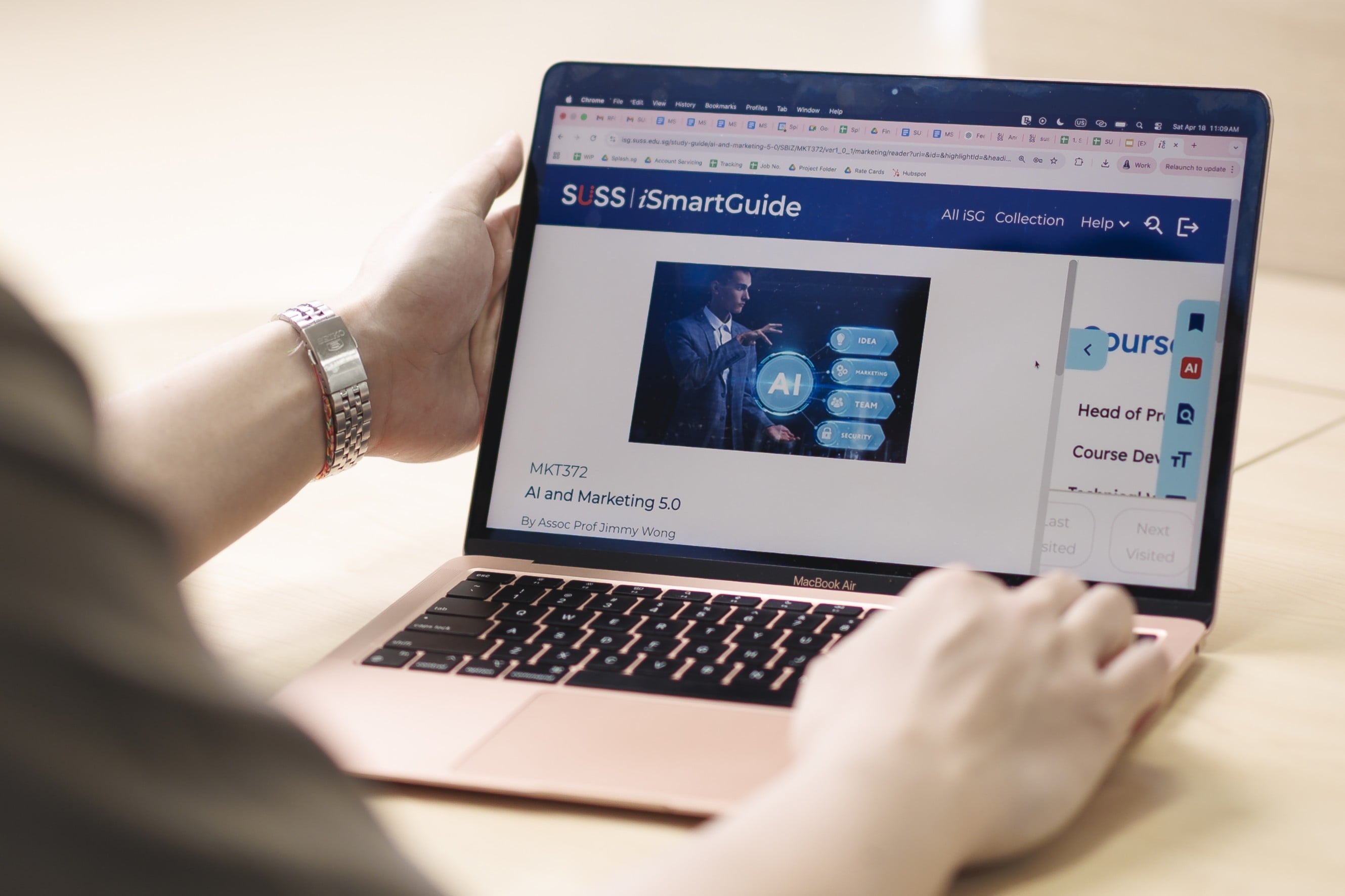
SUSS built an AI-enhanced learning tool used by more than 22,000 learners.

How do we ensure students are still genuinely engaging with learning?
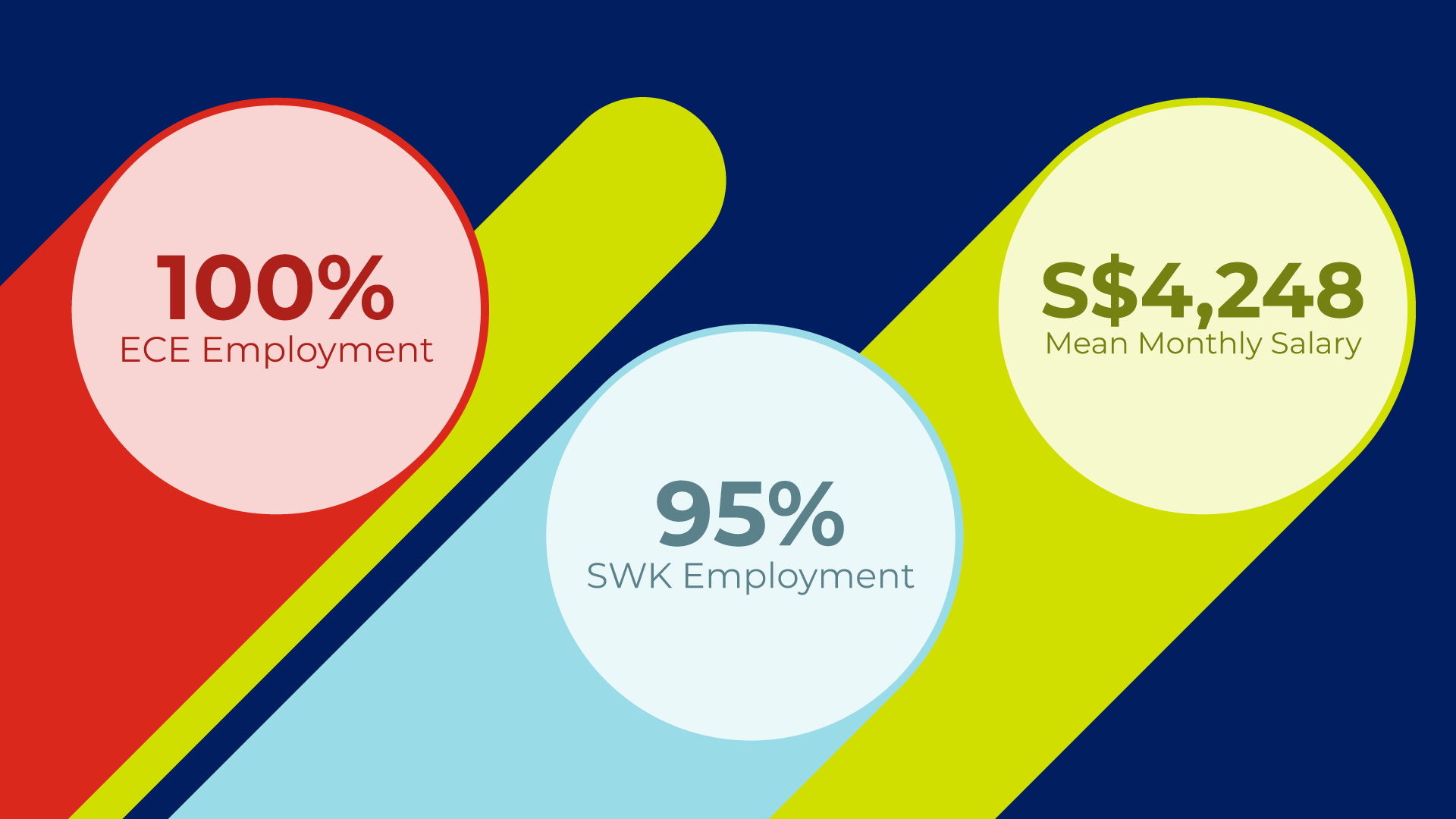
In 2025, every SUSS Early Childhood Education graduate who entered the labour force found a job.
Subscribe to UNBOUND
UNBOUND brings together stories that don’t follow a single path – shaped by real-world challenges, lived experience, and the ideas that emerge along the way. From research to community impact, these are the stories behind SUSS.
Keep up-to-date by subscribing to our monthly LinkedIn newsletter.
Subscribe on LinkedIn