
BLOGS
UNBOUND brings together stories that don’t follow a single path – shaped by real-world challenges, lived experience, and the ideas that emerge along the way. From research to community impact, these are the stories behind SUSS.
Keep up-to-date by subscribing to our monthly LinkedIn newsletter.
Subscribe on LinkedIn
The New Career Survival Skill Isn’t AI. It’s Adaptability.
15 Jul 2026|4 Mins Read
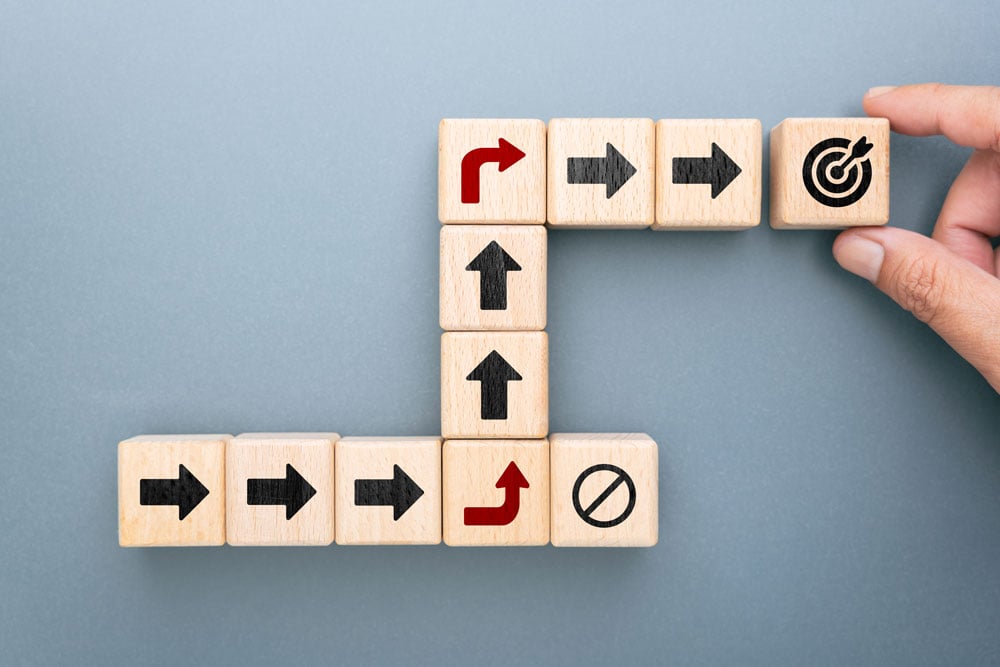
In her mid-40s, a friend of Dr Charissa Tan's was retrenched twice while working in banking and finance. The experience took a heavy emotional, physical, and financial toll – and left her feeling that the direction of her working life was no longer hers to shape.
So, she found something she could control instead. She climbed Mount Fuji. Four times.
"Adaptability isn't about pretending a setback doesn't hurt," says Dr Tan, a faculty member at the Singapore University of Social Sciences (SUSS). It's about finding a way to move forward while acknowledging what's been lost.
Eventually, her friend started a business in her original discipline – forestry research – returning to her first love, environmental science, while applying skills she'd built across her career. For Dr Tan, that is adaptability in practice: staying grounded enough to keep choosing the next step, even when work and identity feel unsettled.
Why Adaptability, and Why Now
The workplace is moving faster than before. Career paths feel less predictable, business priorities shift more quickly, and the skills that once felt secure may no longer feel enough.
Enter AI. Tools that seemed experimental are now used to summarise information, automate administrative tasks, generate content, and support decision-making. For some, this has made work more efficient. For others, it's raised expectations around speed, productivity, and constant learning.
"With AI, work is being forced onto a fast-track," Dr Tan says. "This could have consequences on burnout and emotional exhaustion." For working professionals, the real question isn't how to keep up. It's how to keep adapting without losing sight of purpose, wellbeing, and professional identity.
Adaptability in an AI-shaped Workplace
AI has changed more than the tools people use – it’s reshaped how workers see their own value in a workplace where roles and expectations keep shifting. Its impact can feel sharper still for those navigating non-linear careers across industries, roles, studies, and personal responsibilities.
Today, professionals need more than technical familiarity. They need the ability to evaluate outputs, ask better questions, and make informed decisions based on context, values, and consequences.
This is where adaptability becomes essential: not chasing every new tool, but developing behaviours that help professionals keep learning, adjusting, and adding value when the ground shifts.
"Soft skills such as communication, critical thinking, curiosity, and resilience are important and transferable from job to job," Dr Tan shares. Adaptability also means knowing what not to compromise; in a changing workplace, professionals still need to hold on to ethics, fairness, and professional values.
Adaptability Needs Support
Adaptability is often framed as an individual responsibility. Dr Tan cautions against that. "The paradoxical condition for agility is stability," she explains. "And this agility does not arise simply from chaos or crisis."
People adapt well when they have some stability, support, and room to learn – not when change is simply imposed on them. Three conditions make the difference:
- Meaning – connecting the work to a larger purpose, the people it serves, or the impact it creates.
- Autonomy – having some control over schedules, tasks, or how the work gets done.
- Social support – knowing you're not navigating the uncertainty alone.
For Dr Tan’s friend, the repeated climbs created a rhythm at a time when work felt uncertain. They offered structure, recovery, and a sense of progress while she worked out what still mattered and what could come next.
Organisations play a role in providing stability too: clear guidance, upskilling opportunities, and pathways into new or redesigned roles make change feel manageable rather than threatening. Line managers matter especially with the right training, they are often best placed to spot early signs of stress, offer assurance, and help teams sustain performance without tipping into burnout.
Knowing When to Pause
For working adults balancing careers, further study, and personal responsibilities, adaptability also requires boundaries. Work can spill into home life, and vice versa, mentally, physically, and emotionally – something part-time students and adult learners juggling work, study, and family will recognise well.
One practical step: communicate boundaries clearly with employers, schools, and family. Organisations can help too, by setting clearer expectations around after-hours contact, including "right to disconnect" policies.
Dr Tan also points to psychological detachment – mentally stepping away from work-related thoughts during non-work time – as an important recovery practice. Rest isn't a reward for adapting well. It's part of what makes healthy adaptation possible.
A Small Shift for Tomorrow
The future of work will keep changing. AI will keep evolving. Roles will keep shifting.
But the value of human capital isn't found in technical proficiency alone. It's also found in judgement, curiosity, resilience, communication, ethical decision-making, and the ability to keep learning through change.
Adaptability can begin with a small shift: being open to learning, asking what to adjust, and reconnecting with the purpose behind the work. For some, that shift may look like a new skill, a clearer boundary, or a conversation about support. For Dr Tan’s friend, it began with a climb.
Staying relevant requires knowing what to learn, when to adjust, where to draw boundaries, and what values to hold on to.
The new career survival skill isn't AI. It's adaptability, practised with purpose.
You Might be Interested
Your Brain Doesn't Work Alone
Video calls aren't failing because of bad tools. They're failing because your brain can't sync the way it's built to.
15 Jul 2026|4 Mins Read

Making Better Decisions in an Age of Information Overload
Emails arrive before the workday begins. Notifications interrupt deep thought. Social media supplies endless opinions.
15 Jul 2026|4 Mins Read

Not All AI Is Equal. An SUSS Researcher Explains What That Means For Your Job
Not all AI affects employees in the same way.
12 Jun 2026|3 Mins Read
Subscribe to UNBOUND
UNBOUND brings together stories that don’t follow a single path – shaped by real-world challenges, lived experience, and the ideas that emerge along the way. From research to community impact, these are the stories behind SUSS.
Keep up-to-date by subscribing to our monthly LinkedIn newsletter.
Subscribe on LinkedIn