Overview
Singapore is a vital and trusted hub for logistics and supply chain management (SCM), and its strategic importance is growing as companies diversify their supply chains. Singapore and Southeast Asia are becoming key locations for manufacturing and SCM activities. The BSc in Supply Chain Management prepares students to meet the rising demand for SCM talent in Singapore. In partnership with the Singapore Logistics Association, this programme equips students with critical thinking, problem-solving, decision-making, digital, and green skills to effectively plan and manage the flow of goods, services, and information throughout the supply chain.
Unique Features of the Programme
This programme provides an industry-aligned, future-ready, stackable education for a diverse range of learners, from fresh school leavers to working adults.
- Industry-Aligned: The curriculum follows the SCM Jobs Transformation Map and SCM Skills Plan from the Singapore Economic Development Board (EDB), Workforce Singapore (WSG), and SkillsFuture Singapore (SSG). This ensures graduates have the skills needed to stay relevant in the workforce.
- Future-Ready: The curriculum covers the five core SCM functions: PLAN-SOURCE-MAKE-DELIVER-ENABLE. Students can earn specialist certificates in:
- Supply Chain Planning
- Sourcing and Procurement
- Manufacturing and Operations
- Distribution and Logistics (incorporating the Skills Framework for Logistics)
- Supply Chain Enablers
- Stackable Learning Journeys: The programme is flexible, allowing working adults to take standalone certificates (15-20 credit units or cu). Full-degree students can stack five specialist certificates to the 80-cu SCM major, or any two to the 30-cu SCM minor.
Our Collaborations
We collaborate with strategic local and international partners to enhance our students' skills in thinking critically, interacting with others, and staying relevant. Click here to find out more.
Supply Chain Interest Group
Our student-led Supply Chain Interest Group (SCIG) actively connects with external organisations and organises company visits and talks by supply chain leaders/practitioners. Click here to find out more.
Major-Minor Combination
Students may pursue Supply Chain Management as a single major or in a combination with a minor. With a major-minor combination, students can broaden their skill set, increase their marketability, and open up more career opportunities. Here are some examples of how this can be achieved:
| Course Selection | Purpose | Possible Job Role |
|---|---|---|
| Aviation Management Minor (30 cu) | Integrate SCM skills with specialised aviation industry knowledge to optimise air freight operations, manage airport logistics, and develop expertise in global air transport networks. | Cargo Executive
|
| International Trade Management Minor (30 cu) | Optimise cross-border operations, ensure compliance and create sustainable business value. | Business Analyst Commodities Trader Contract Specialist Operations Executive Trade Finance Executive |
| Maritime Management Minor (30 cu) | Integrate skills in SCM and develop specialised knowledge in the maritime and port industry. | Chartering Executive |
| Procurement Management Minor (30 cu) | Develop sourcing, procurement, operations, project management, supplier performance and relationship management skillsets for procurement career opportunities across a wide range of industries. | Category Specialist Procurement Specialist Sourcing Specialist Merchandising Executive Sustainable Sourcing Officer |
SUSS-SFC Integrated Pathway Programme
In addition to the professional knowledge provided in this programme, SUSS offers an Integrated Pathway programme to develop interdisciplinary skills within the aviation industry. This Integrated Pathway programme, through collaboration with the Singapore Flying College (SFC), supports students in obtaining a bachelor’s degree in this programme and acquiring a Civil Aviation Authority of Singapore (CAAS) Commercial Pilot Licence (CPL) concurrently.
Career Prospects
With SCM being a crucial part of every business and the economy, graduates from this programme are well-equipped for diverse career paths across many industries. Career opportunities are available in the following functional areas:
| Functional Area | Job Roles |
|---|---|
| Supply Chain Planning | Demand Planner
Supply Planner S&OP Analyst |
| Sourcing and Procurement | Merchandising Executive Responsible/Sustainable Sourcing Officer Procurement Specialist Sourcing Specialist |
| Manufacturing and Operations | Materials Planner Production Planner |
| Distribution and Logistics | Freight Executive Order Management Executive Transport / Project Executive Warehouse Operations Executive |
| Supply Chain Enablers | Data Analyst |
Programme Structure
To graduate with a basic degree, students are required to complete 130 credit units (cu), which include:- 20 cu of SUSS Core courses
- 70 cu of Major Compulsory courses
- 10 cu of Major Elective courses
- 30 cu of Free Electives or Minor
How the SCM Curriculum Stacks Up
The BSc Supply Chain Management is designed with a stackable structure. The SCM curriculum consists of specialist certificates that can be stacked up to form a full degree.
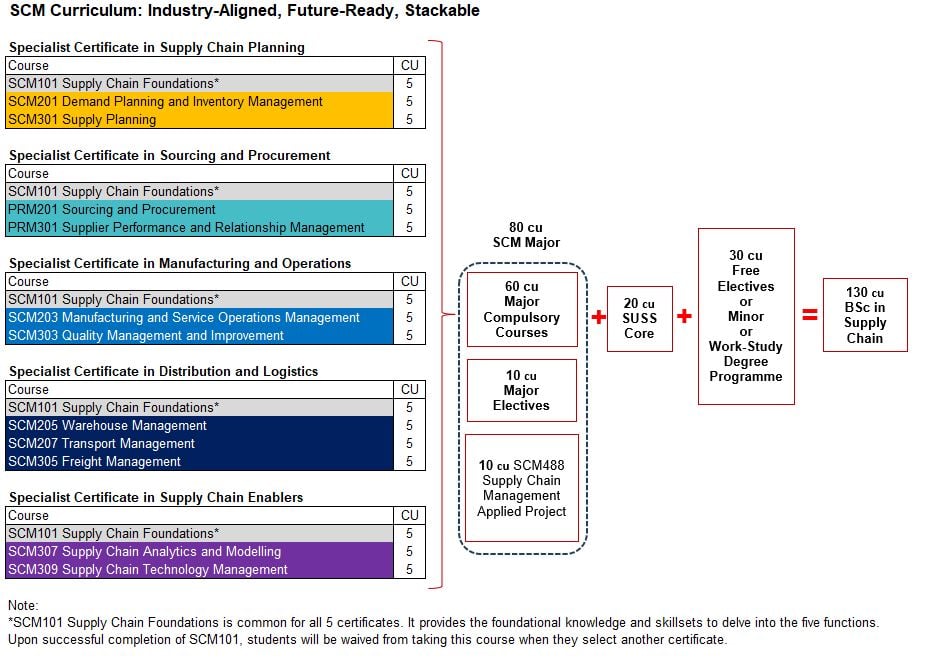
Curriculum
| BUS105 Statistics | 5 CU |

|
Admission Requirements
Refer to general admission criteria for undergraduate programmes.
Interviews will be conducted for all shortlisted applicants to assess their suitability in terms of their motivation and ability to complete the programme.
Tuition Fees
View More Details on FeesFinancial Assistance
There are also various types of financial aid available to students who need financial assistance. Please click here for more details.This programme targets those in the logistics and SCM industry who are keen to upskill or reskill to stay relevant and competitive in the workforce. Professionals from other disciplines seeking a mid-career switch to SCM can also benefit from the programme.
| Collaborator | Initiatives |
|---|---|
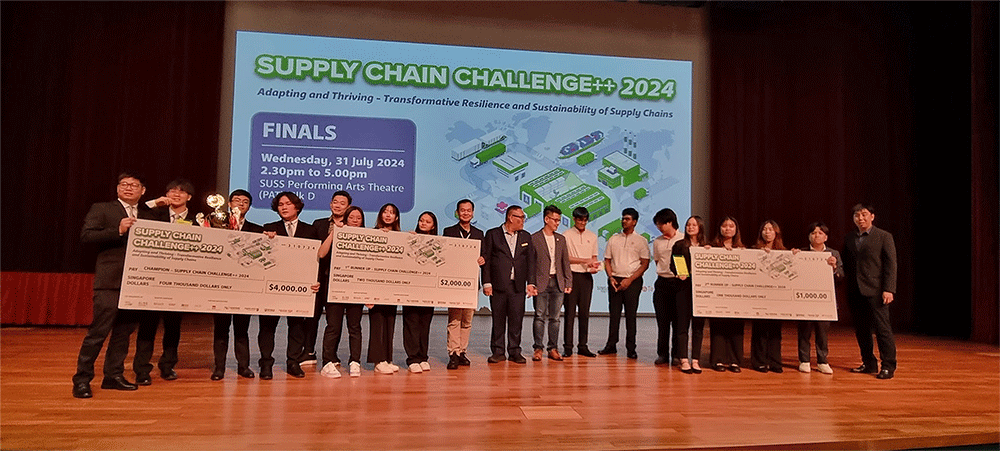
| Singapore Logistics Association (SLA) | We co-organise the annual Supply Chain Challenge, the largest, pre-university logistics and SCM case competition in Singapore aimed at raising awareness of logistics as a career choice.
|
| Army Logistics Training Institute (ALTI) | ALTI collaborates on the elective course SCM359 Logistics for Large-Scale Operations, which includes the development of learning materials and industry sharing. |
| Hong Kong Logistics Association (HKLA) | We work with HKLA to send our students to the international logistics case study workshop/competition held annually, providing them with a global mindset and cross-cultural skills.
|
| International Conference on Logistics and Transport (ICLT) | This platform allows our faculty, students and graduates to present research findings related to SCM. Several conference papers based on our students’ SCM488 Applied Project have been presented at the ICLT.
|
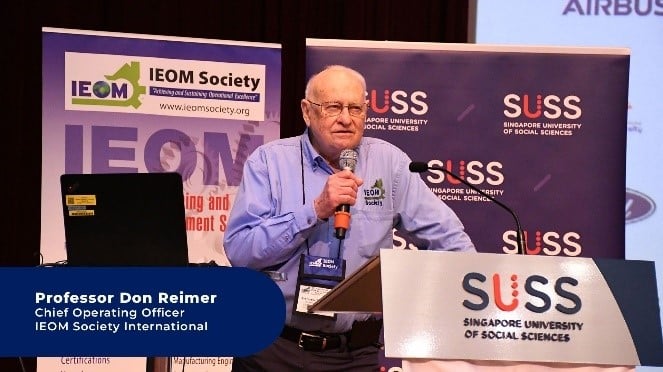
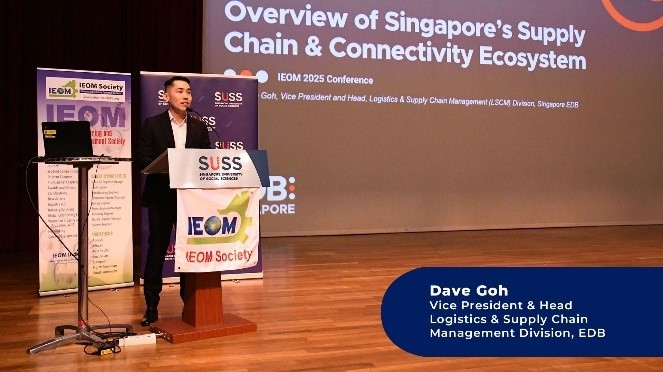
| IEOM Society | Organised by IEOM Society, we hosted the 15th Industrial Engineering and Operations Management (IEOM) Annual International Conference in February 2025, where several papers co-authored by our students, faculty and associates based on the students’ SCM488 Applied Project were presented.
|
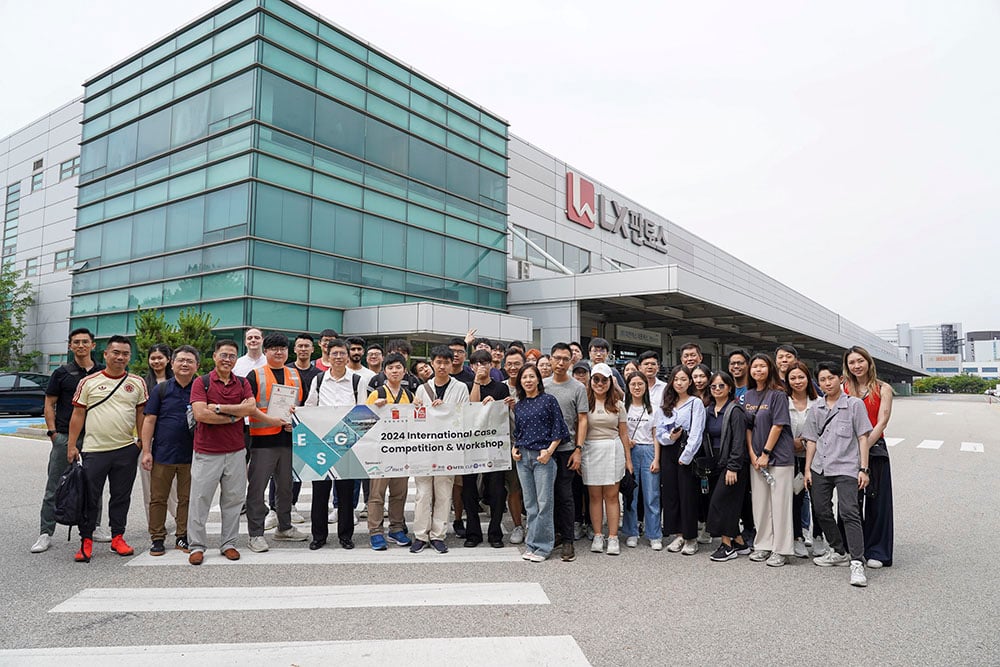 12th International Logistics Case Study Workshop/CompetitionSeoul, 26 Jun - 1 Jul 2024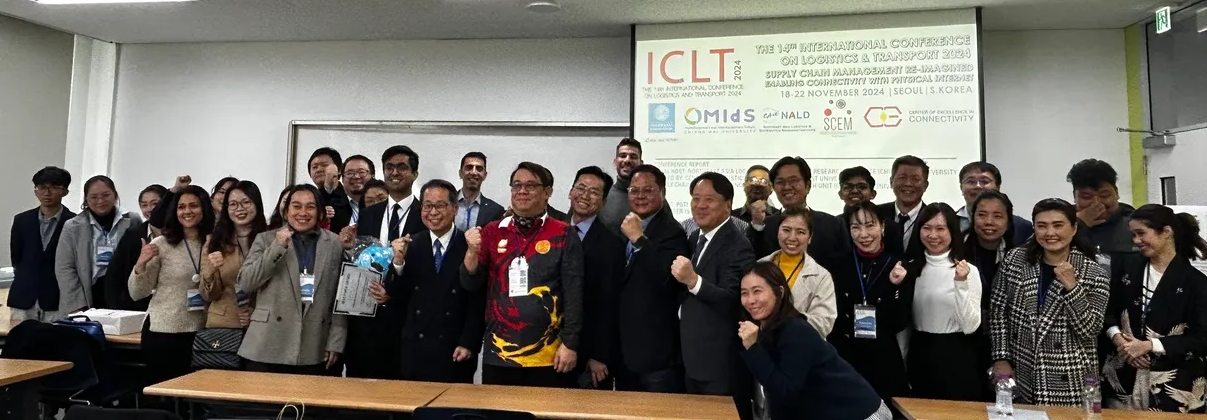
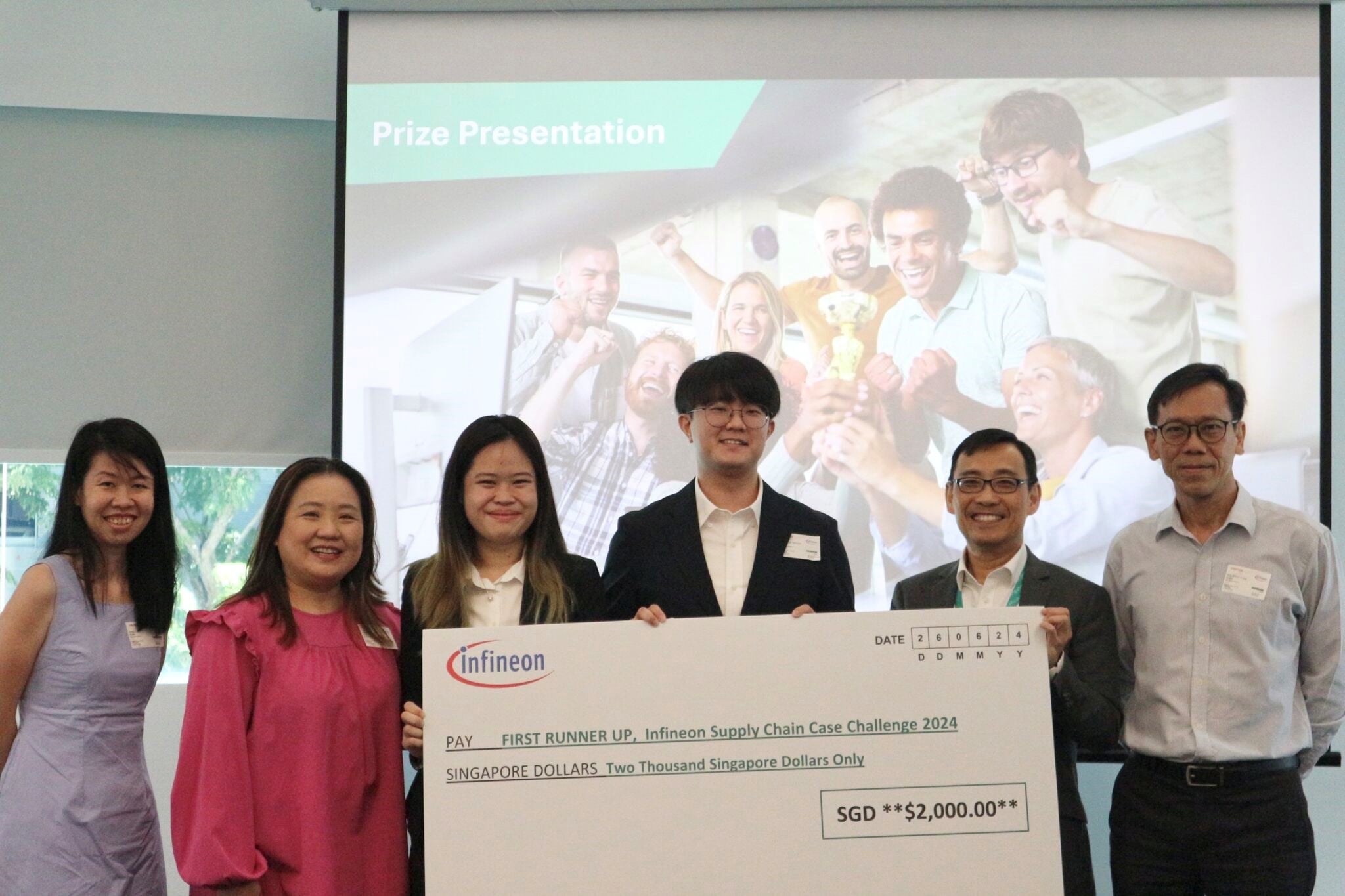
SCM team emerged 1st runner up in the Infineon Supply Chain Case Challenge 2024
SCIG fosters a strong community spirit through social events such as Freshmen Orientation, Lepak Night, Surf & Turf Beach Day, and Grill & Gather.
IEOM Society launched its inaugural Singapore student chapter with active participation from SCIG, marking a new milestone.
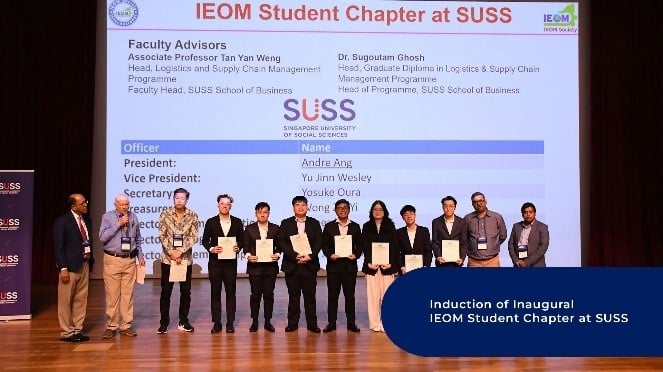
Induction ceremony of SUSS student chapter, 2025