
BLOGS
UNBOUND brings together stories that don’t follow a single path – shaped by real-world challenges, lived experience, and the ideas that emerge along the way. From research to community impact, these are the stories behind SUSS.
Keep up-to-date by subscribing to our monthly LinkedIn newsletter.
Subscribe on LinkedIn
Would You Trust a Robot to Look After Someone You Love?
14 Aug 2026|5 Mins Read
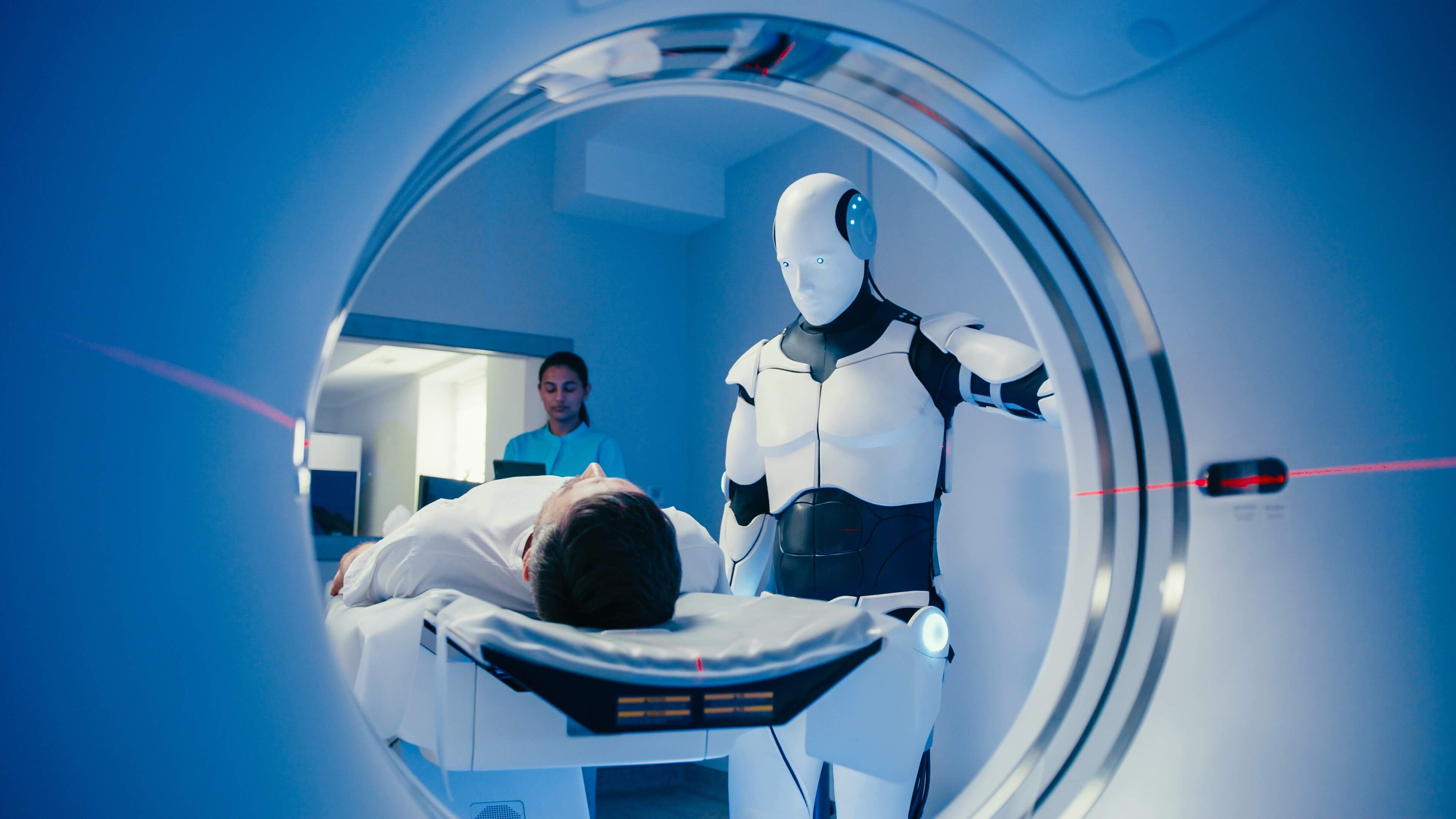
As Singapore’s population ages, robots and artificial intelligence are increasingly being positioned as part of the solution.
They can deliver medication, monitor vital signs, support independent living, and take on repetitive caregiving tasks. But Associate Professor Amy Wong believes the most important question is not simply what the technology can do.
It is whether people will trust it enough to let it into their lives.
“The issue is not simply whether we can develop more advanced robots, artificial intelligence or digital health tools,” she says, “but whether these technologies genuinely address the practical, social and emotional needs of older adults.”
That matters because trust is not built on technological sophistication alone. People are more likely to rely on technology when they understand what it is for, see that it addresses a genuine need, and feel confident that it will make their lives easier rather than more complicated.
Technology can ease manpower pressures and help people live more independently. But there are also limits to what people may be willing to entrust it with. A robot might remind someone to take their medication or help with daily tasks, but it cannot, by itself, replace companionship or meaningful human relationships.
For Assoc Prof Wong, success is therefore not simply how much technology we deploy, but whether people trust it enough to use it – and whether that trust is well placed.
Can Trust Be Designed?
Too often, innovation begins with the question: “What can this technology do?”
A better starting point may be: “What would make someone comfortable relying on it?”
Assoc Prof Wong’s research shows that people do not adopt technology simply because it is advanced. They are more likely to embrace it when it fits naturally into their lives, addresses a genuine need, and gives them confidence rather than uncertainty.
That means trust can be designed for, even if it cannot be demanded.
One way is to move beyond designing technology for people and begin designing it with them. Giving users a say in how technology works, what role it plays and where its limits lie can make it feel less like something imposed on them and more like something they understand and can use with confidence.
“The best innovations aren’t the ones with the longest list of features,” she says. “They’re the ones that fit so naturally into people’s lives that they quietly make life better.”
Why Do We Trust Some Robots More Than Others?
Usefulness and ease of use matter. But Assoc Prof Wong’s research found that people also respond to how a robot makes them feel.
A friendly appearance or sense of social presence can make an interaction feel more engaging. When trust is already high, these cues matter less. But when trust is low, they become far more important in shaping whether people see the robot as competent and worth using.
In other words, people do not assess service robots solely as machines. They respond to them as social technologies – judging not only what they can do, but whether interacting with them feels comfortable, predictable, and safe.
That helps explain why technical capability alone is rarely enough to earn trust.
When people encounter a new technology, they are unlikely to ask how sophisticated its algorithms are. Their questions are often much simpler:
- Can I use it?
- Can I rely on it?
- Does it make my life easier?
- Do I feel comfortable with it?
Assoc Prof Wong’s research found that positive emotions encouraged people to spend more time interacting with robots and remain engaged. When people felt anxious or uncomfortable, they were more likely to withdraw, regardless of how capable the robot was.
“The most successful innovations are often the ones people stop noticing,” she says. They become trusted tools that quietly improve everyday life.
But How Far Should Trust Go?
Trusting a robot is not the same as trusting a person.
A patient may trust a robot to deliver the correct medication. A diner may trust it to bring the right meal. In both cases, they are trusting it to perform a specific task reliably, safely and predictably.
“We may trust a robot to complete a task accurately, but we don’t turn to robots for empathy, moral guidance or emotional support in the way we rely on trusted family members, friends or healthcare professionals,” Assoc Prof Wong says.
Human trust is built through shared experiences, empathy and accountability – qualities that current technologies cannot genuinely possess.
The question, then, is not whether we trust a robot completely. It is what we are prepared to trust it with.
That distinction matters particularly in areas such as eldercare and healthcare, where the stakes are personal and the needs extend beyond completing a task correctly.
Making More Room For What Makes Us Human
For Assoc Prof Wong, technology creates the greatest value when it complements people rather than replaces them. Robots are well suited to routine, repetitive, and physically demanding tasks. People bring empathy, creativity, ethical judgement, and meaningful human connection.
In healthcare, technology could reduce the time professionals spend on administrative work, giving them more time with patients. In eldercare, it could allow caregivers to focus more on emotional support.
“The most important innovation is not smarter machines,” Assoc Prof Wong says, “but creating a society where technology empowers people to contribute more, care more and connect more.”
As Singapore looks towards a future shaped by AI and robotics, building trust will require more than making machines smarter. It will mean understanding what people are comfortable entrusting to technology, what makes them confident enough to rely on it, and where they still want a human being.
Because when a robot is looking after someone we love, capability is only part of the equation. The bigger question is how much responsibility we are willing to place in its hands.
Amy Wong is an Associate Professor and Vice Dean at the School of Business, Singapore University of Social Sciences (SUSS). Her research interests lie in service robots, virtual influencers, and artificial intelligence in education, with a particular focus on technology-enabled service experiences, consumer behaviour, and AI-driven learning.
You Might be Interested
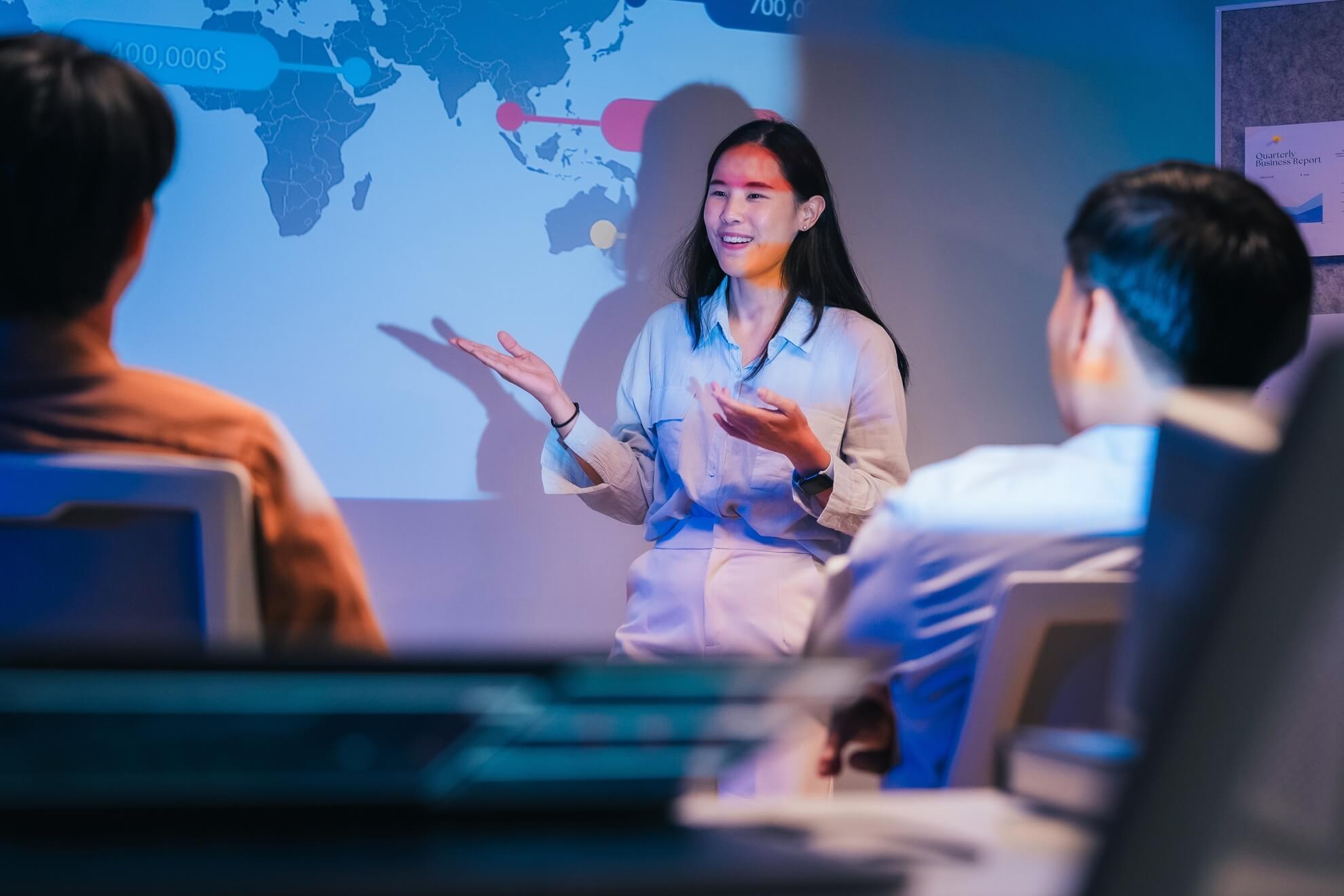
What If the Job You're Preparing for Doesn't Exist Yet?
Singapore has adapted to every major wave of change. But as artificial intelligence reshapes work at unprecedented speed, can our people adapt quickly enough?
14 Aug 2026|5 Mins Read
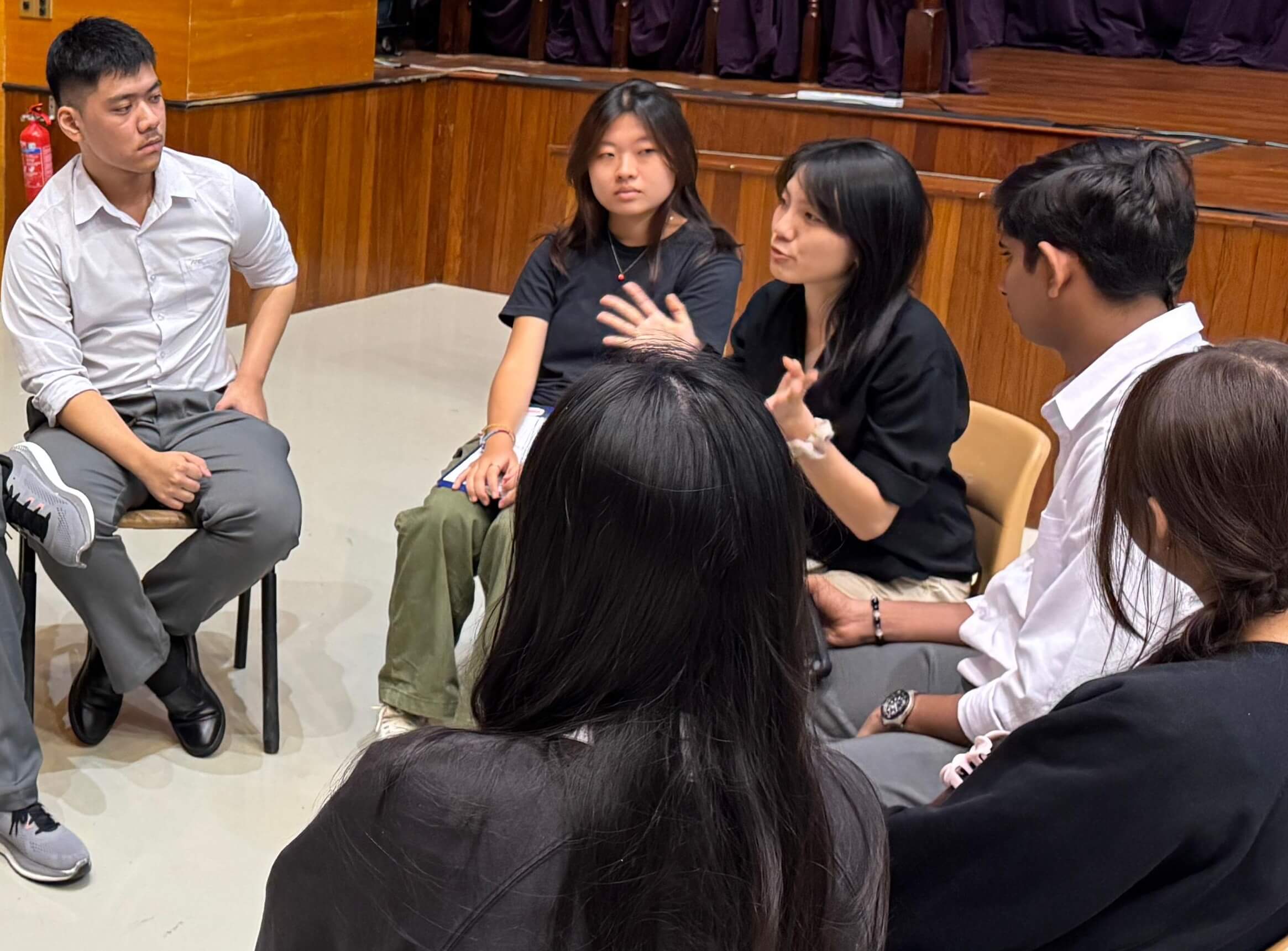
Who Shapes the People Who Shape Singapore?
Before SUSS alumna Ms Lee Zi Xuan became a social worker helping others reclaim hope and dignity, two lecturers helped her see the possibilities she could not yet see.
14 Aug 2026|3 Mins Read

The New Career Survival Skill Isn't AI. It's Adaptability.
In her mid-40s, a friend of Dr Charissa Tan's was retrenched twice while working in banking and finance.
15 Jul 2026|4 Mins Read
Subscribe to UNBOUND
UNBOUND brings together stories that don’t follow a single path – shaped by real-world challenges, lived experience, and the ideas that emerge along the way. From research to community impact, these are the stories behind SUSS.
Keep up-to-date by subscribing to our monthly LinkedIn newsletter.
Subscribe on LinkedIn