Mental Health and Well-Being: Trends, Challenges, and Opportunities
Date: 18 Oct 2024
Time: 01.00AM to 05.00AM
Venue: SIM HQ, Blk B, Lecture Theatre B.2.17
Event Type: Seminars, Conferences
School/Department: School of Humanities and Behavioural Sciences
Synopsis
Over the past two decades, trends in mental health and well-being have been marked by substantial ambivalence. Populations across the globe continue to grapple with numerous challenges and crises, both new and old. Though there are encouraging trends of increasing happiness and slight declines in depression and suicidality across the globe, these trends are not universal. Life satisfaction has declined in some countries, suicidality has increased for some populations, and global anxiety and alcohol disorders are among the various mental health challenges that have been on the rise. With Singapore’s recent launch of the National Mental Health and Well-Being Strategy, it is timely to reflect on the state of the field, the challenges individuals face, and what can be done to improve the situation.
This conference gathers interdisciplinary panels of experts and stakeholders to discuss the multifaceted nature of mental health and well-being, and to reflect on the numerous individual, organizational, and societal factors that may enhance or hinder the well-being of populations both local and global. The conference aims to provide a contemporary perspective, guided by scientific evidence as well as practice, and to inspire thoughtful discussions on how we can move towards a better, healthier, and happier future.
Post Event Highlights
On October 18, 2024, the School of Humanities and Behavioural Sciences (SHBS) hosted the inaugural SUSS Social and Behavioural Sciences Conference, marking the beginning of the biennial Dr. Alan HJ Chan Conference series. This event was made possible through the generous support of the late Dr. Alan HJ Chan, an entrepreneur and Confucian scholar who ardently believed in the value of education and promoting social good.
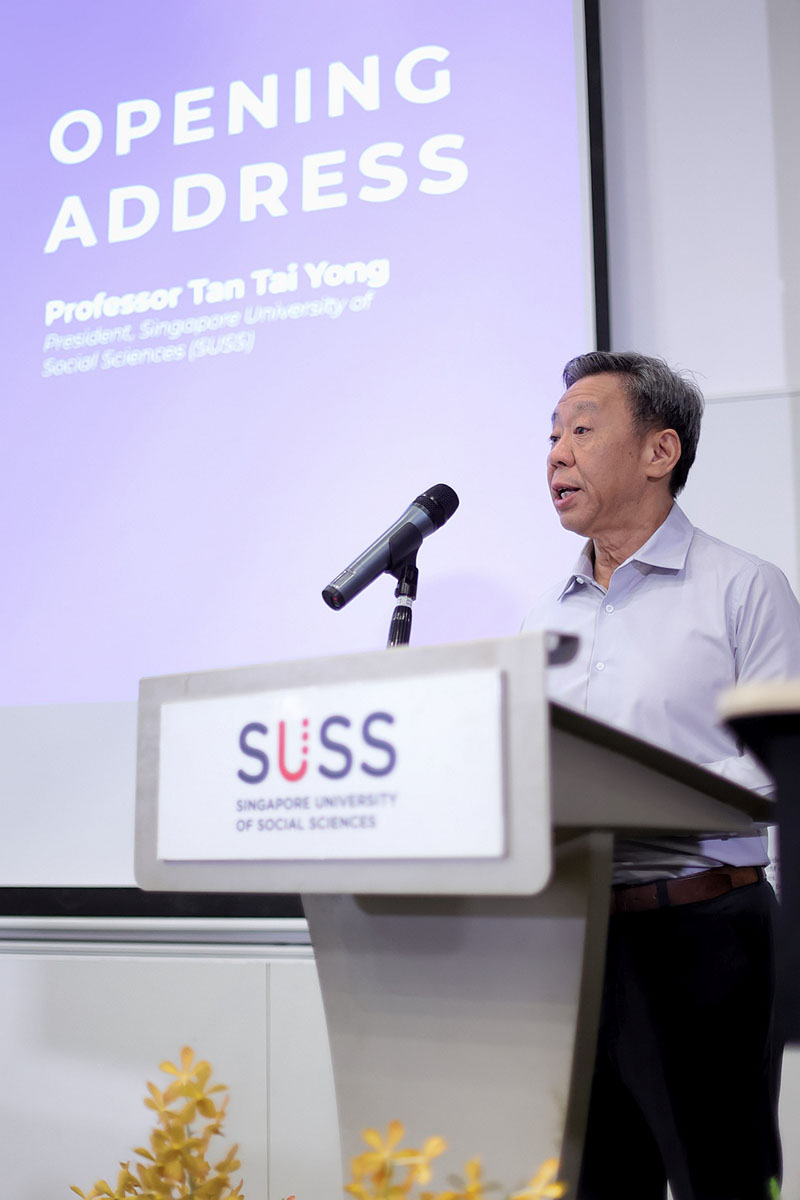
The conference, themed “Mental Health and Well-Being: Trends, Challenges, and Opportunities,” was a great success, due in large part to the insightful presentations by our panelists and the engaging questions from a highly interactive audience. Professor Tan Tai Yong, SUSS President, provided an opening address in which he emphasised the tremendous societal importance of mental health and well-being, and the fundamental goal of the conference “to inspire thoughtful discussions on how we can move towards a better future for our community and society.”
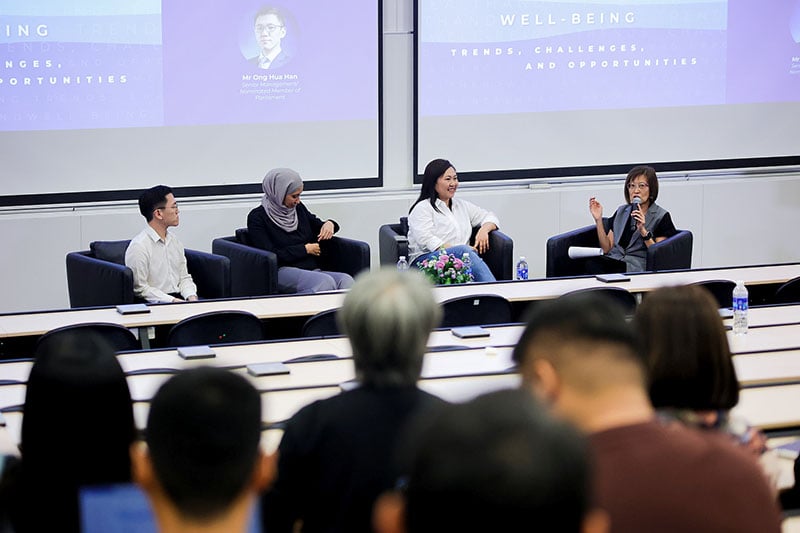
The keynote speech, delivered by Ms. Mavis Seow, Head of the Psychology Department and Principal Clinical Psychologist at the Institute of Mental Health (IMH), focused on current mental health challenges, the development of mental health services in Singapore, a vision for better mental health ecosystem, and the tiered care model. Ms. Seow emphasized the need for a holistic approach to mental health through collective, integrative efforts across systems, a call that resonated with her co-panelists in the Panel 1 discussion, “Policies and Systems: Well-being in Context”. Their discussions on mental health strategies and systems in Singapore set the stage for Panel 2, “Strengthening Individuals and Supporting the Vulnerable”, which addressed challenges faced by different vulnerable social groups in more detail.
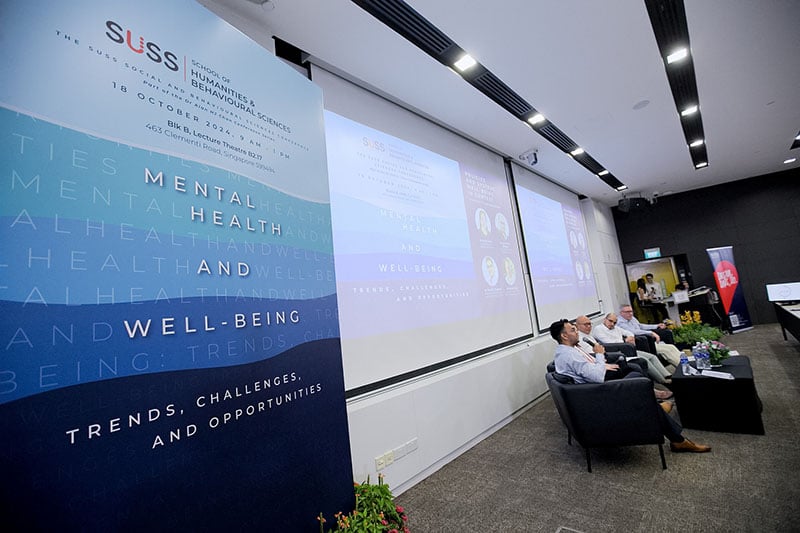
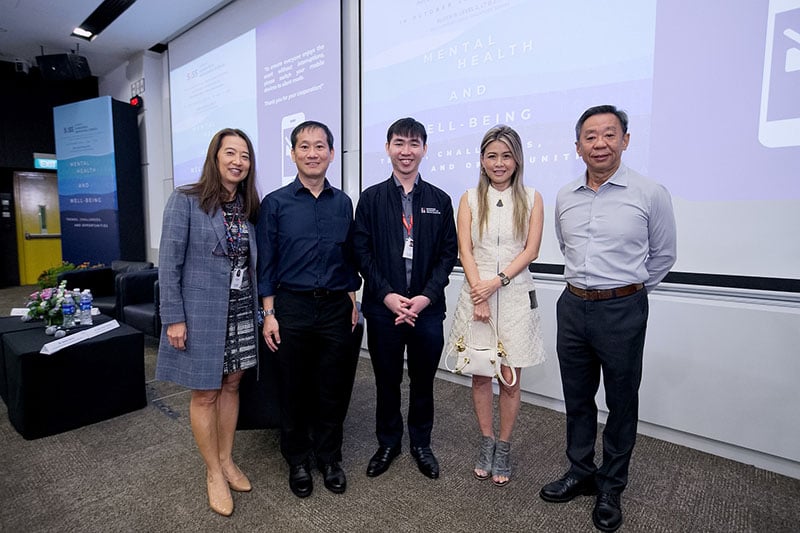
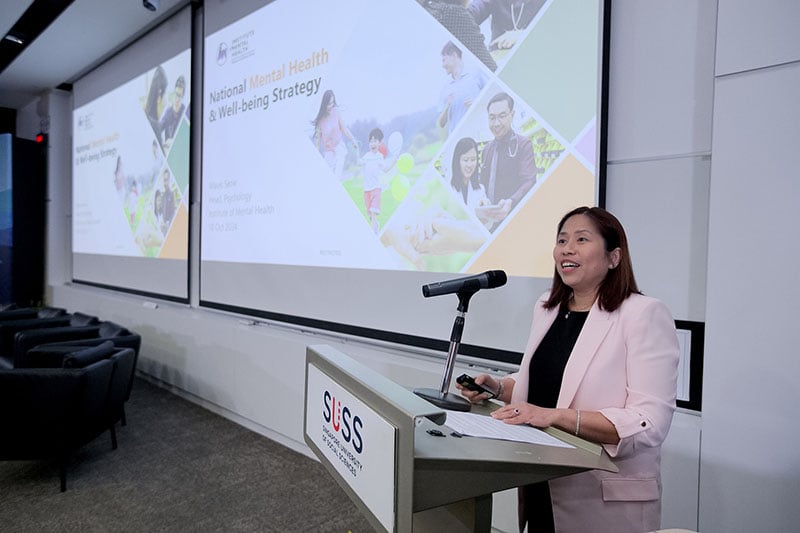
This conference has three key takeaways. First, open exchange among academics, clinicians, practitioners, and laypeople from all walks of life is invaluable, particularly on the topic of mental health and well-being. Ms. Seow, who works with youth facing severe mental health challenges, highlighted the importance of early intervention and the pivotal role of schools and teachers in supporting young people. In response, an educator in the audience reflected on the stresses and heavy workload already faced by teachers, noting that mental health issues among students may often have roots in their family dynamics. This exchange underscored the scale of the challenges, the complexity of potential solutions, and the interconnectedness of different systems and institutions, emphasizing that sustainable solutions require coordinated, systematic efforts.
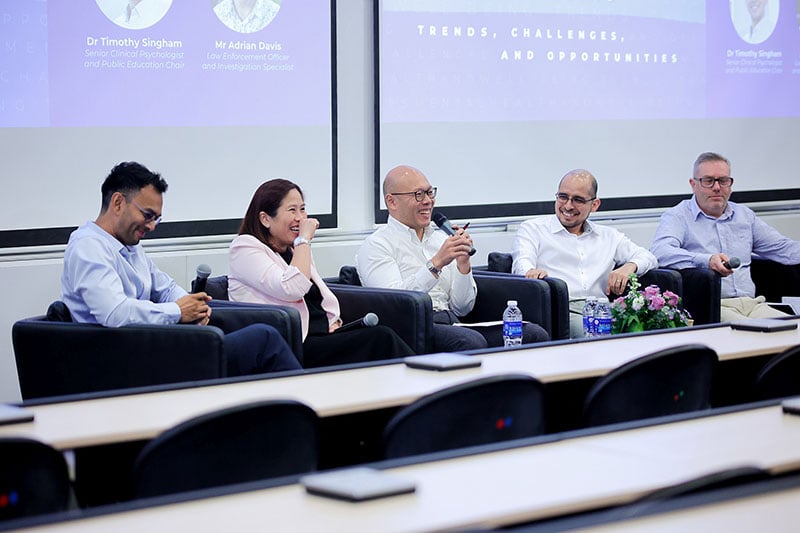
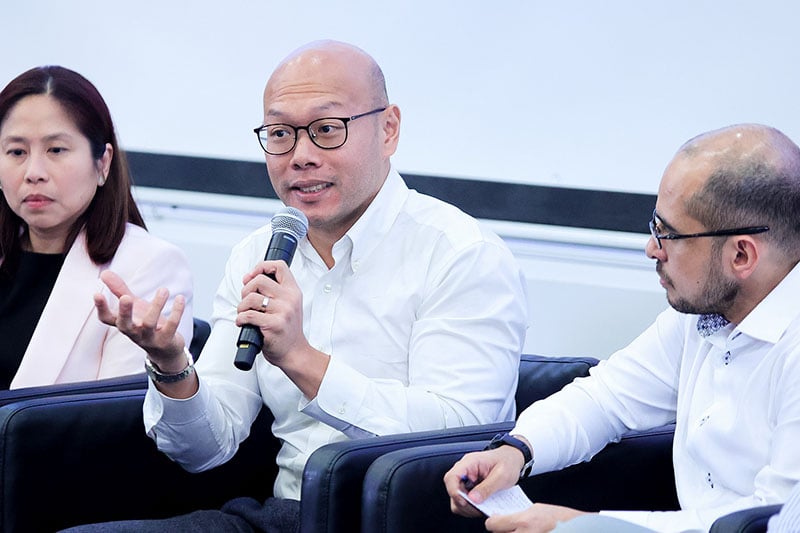
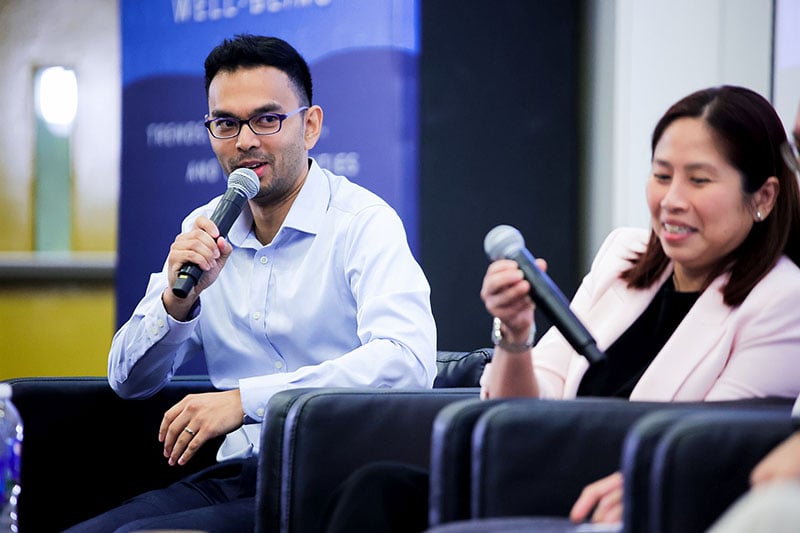
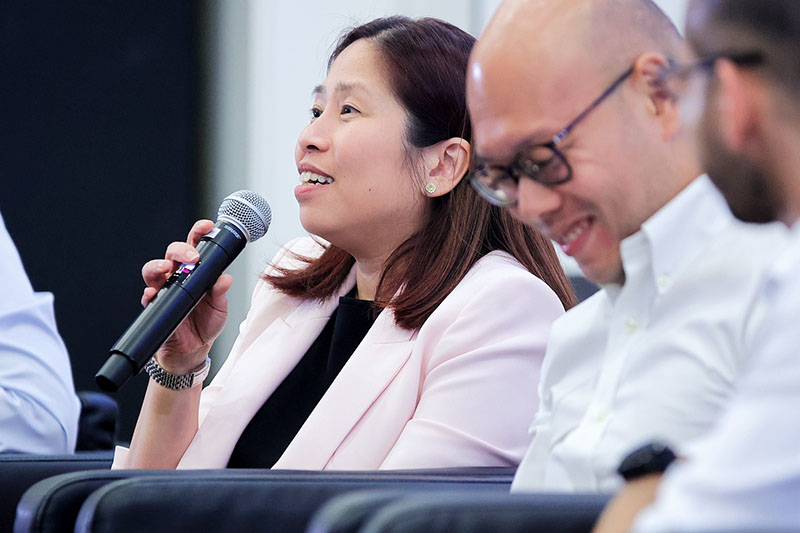
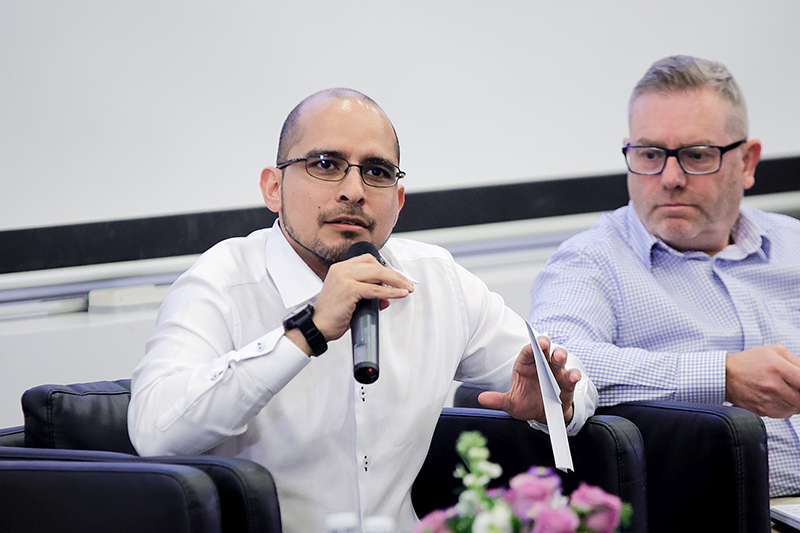
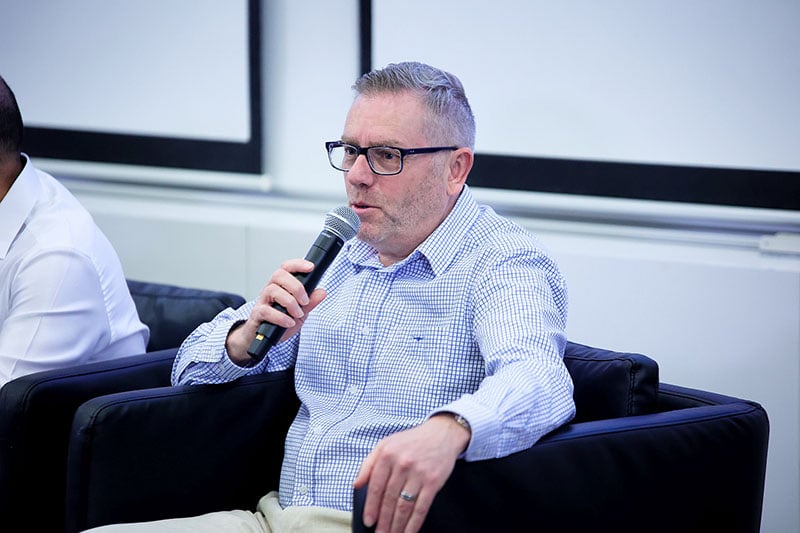
Second, a central theme of the conference was the importance of understanding the experiences of vulnerable groups. Dr. Hana Alhadad, a researcher at AWARE and also a mother of neurodivergent children, shared her insights on the challenges faced by parents and teachers of neurodivergent students, highlighting both the resilience of these parents and the need for greater awareness and support. Mr. Ong Hua Han, a Nominated Member of Parliament, offered an inspiring remark on society’s responsibility: “Each member of society has a part to play to uplift children / youth with disabilities. Treat them ‘normally,’ let them have fun, help them grow (in all aspects) – but respect that they require additional support or accommodation in order to thrive”. Increased public understanding of these experiences can reduce biases, enhance empathy, and bolster support for policies that promote a more inclusive and supportive environment where every child can flourish.
Third, challenges involving mental health and well-being are increasingly recognized as urgent public concerns. The conference made clear that young people in particular face serious mental health challenges exacerbated by the COVID-19 pandemic and the ongoing influence of social media. This rising awareness underscores the need for more research and action to understand and support those affected.
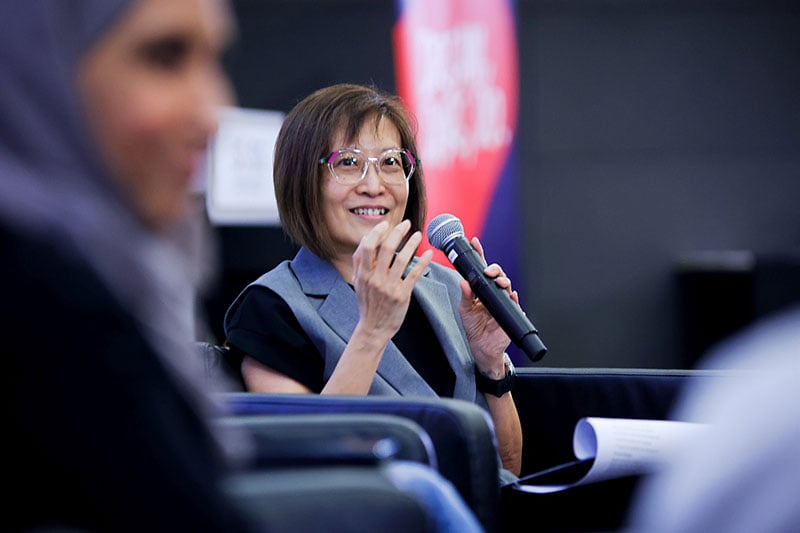
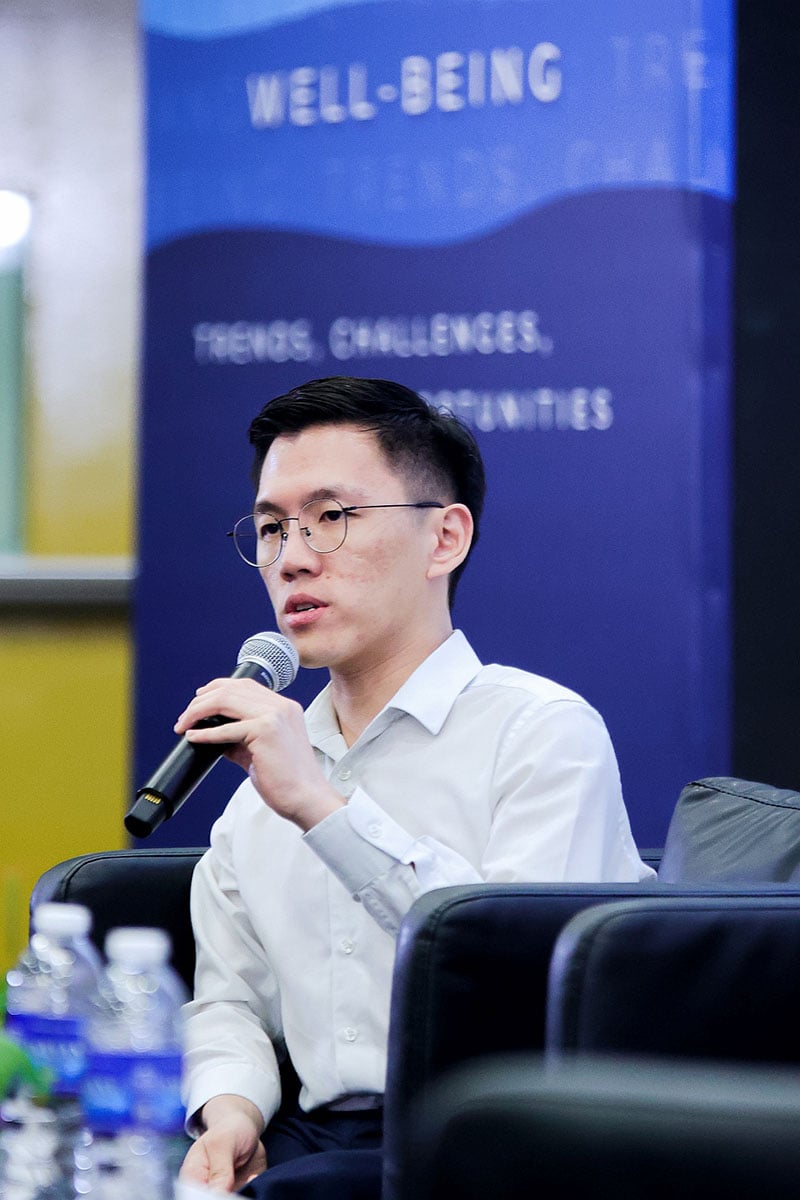
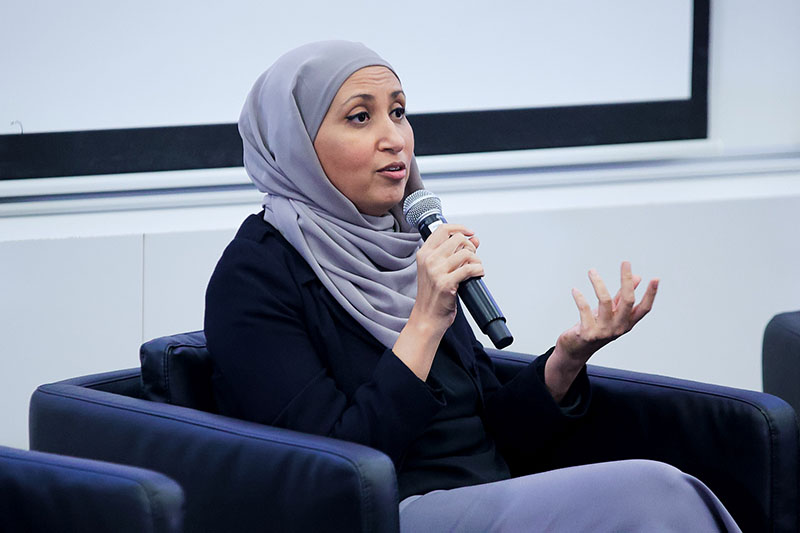
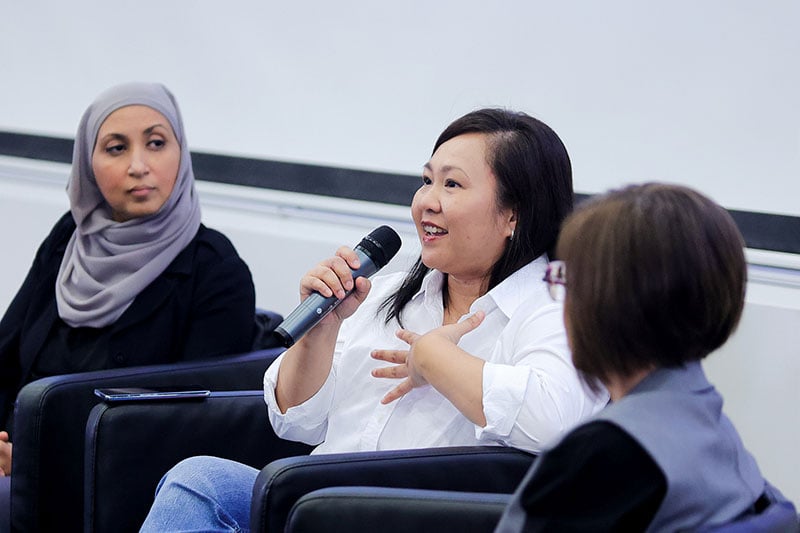
The conference concluded on an uplifting note with an award ceremony where student videos that shared actionable steps for mental well-being were screened, and awards were given to the three winning entries. Congratulations go to our winners: Lim Zhi Wei (second runner-up) for his video “Caring for our Mental Health - Happy to Connect!”, Tan Zong Shun Daniel (first runner-up) for “It’s only temporary,” and Muhammad Hanafi Bin Sedik (winner) for “Start Small, Feel Better.”
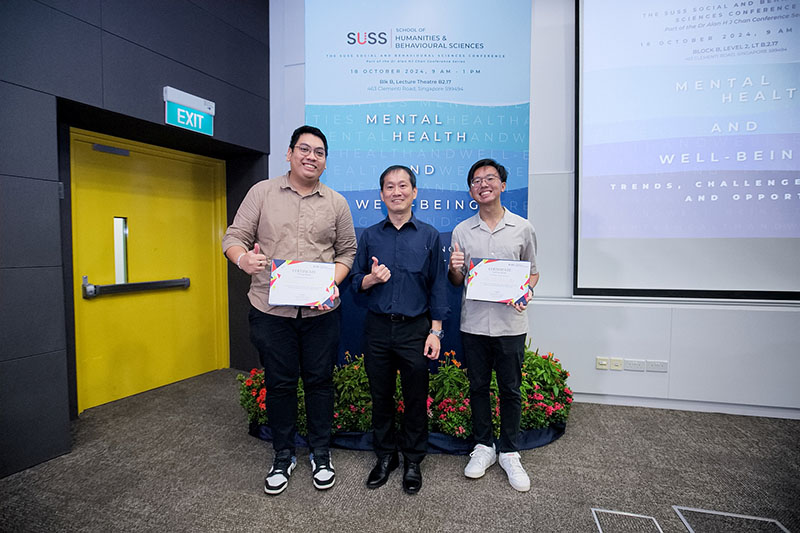
Participants widely praised the conference for its well-curated program, engaging speakers, and insightful discussions, and many noted that they gained valuable knowledge and enjoyed both the conversations and the hospitality. Several attendees expressed a desire for a longer conference, as two panel discussions alone were insufficient to cover every facet of mental health and well-being. With many questions still unanswered and other social groups waiting for their voices to be highlighted, SHBS remains committed to fostering ongoing public engagement and dialogue on these important issues through future conferences and forums.


Event Recordings
*Times are in Singapore Standard Time UTC +8
Note: The programme schedule is subject to change and sessions or speakers may be modified to enhance the symposium experience.
| Time | Programme |
|---|---|
| 8:30AM | Registration Light refreshments will be provided. |
| 9:00AM | Opening Address by President, SUSS Professor Tan Tai Yong, President, Singapore University of Social Sciences |
| 9:10AM | Keynote Address Ms Mavis Seow, Counselling and Clinical Psychologist |
| 9:30AM | Panel Discussion 1 (including Q&A) Moderated by Dr Victor Seah, Director
|
| 10:50AM | Break Light refreshments will be provided. |
| 11:10AM | Panel Discussion 2 (including Q&A) Moderated by Ms Joyce Teo, Senior Health Correspondent
|
| 12:40PM | Video Competition Award Ceremony |
| 01:00PM | End |
*Click on each speaker's photo to view his/her bio.
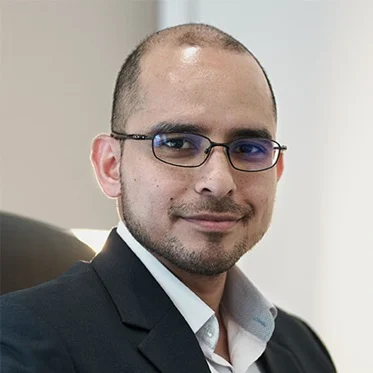
Dr Syed Harun Alhabsyi
Consultant Psychiatrist and Medical Director
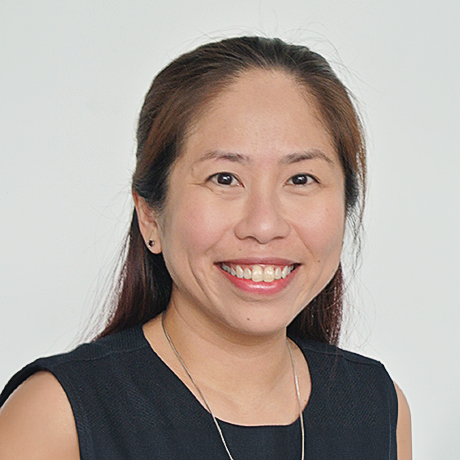
Ms Mavis Seow
Counselling and Clinical Psychologist
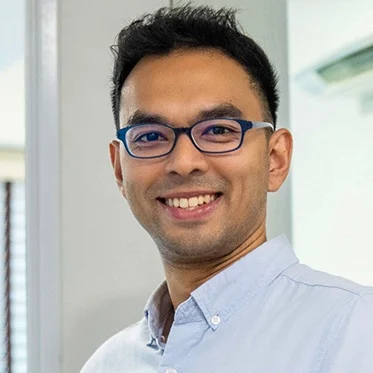
Dr Timothy Singham
Senior Clinical Psychologist and Public Education Chair
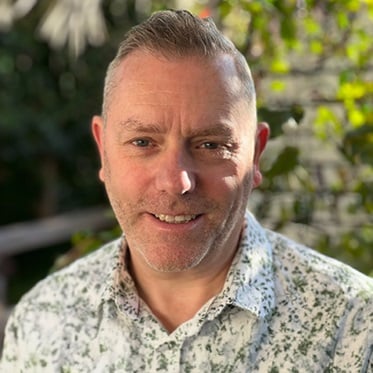
Mr Adrian Davis
Law Enforcement Officer and Investigation Specialist
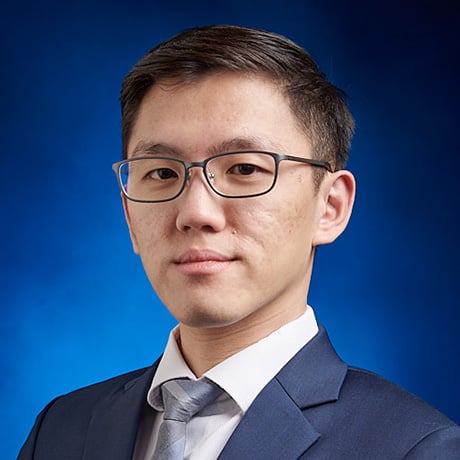
Mr Ong Hua Han
Senior Management/Nominated Member of Parliament
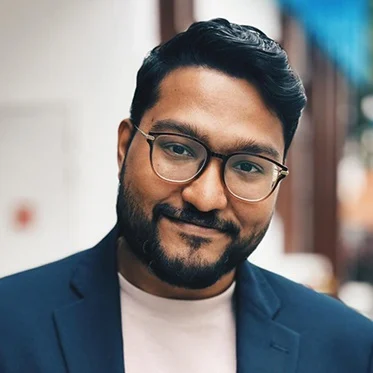
Mr Devan
Social Worker, Co-Founder and Executive Director
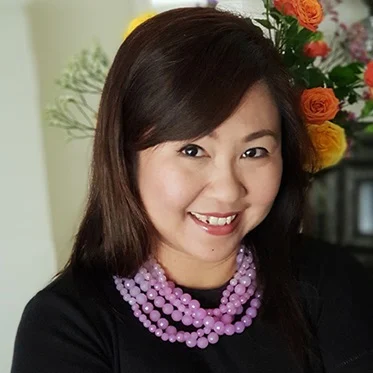
Ms Shahrany Hassan
Chairperson, Founder and Director
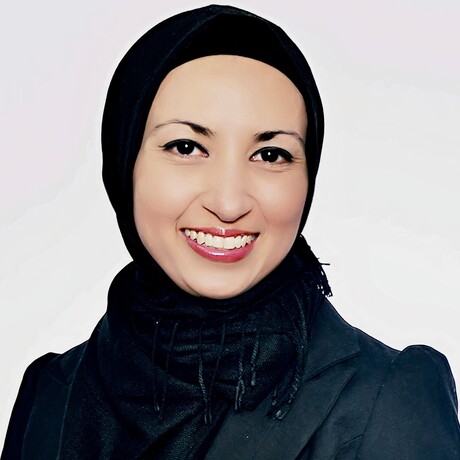
Dr Hana Alhadad
Researcher and Educator
*Click on each speaker's photo to view his/her bio.
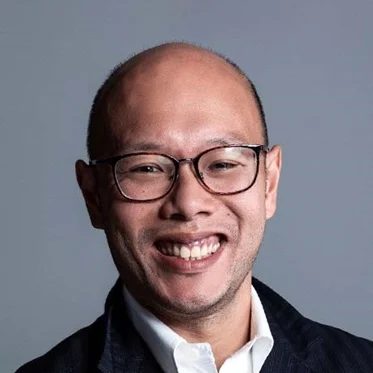
Dr Victor Seah
Director, Behavioural Insights Centre of Excellence, SUSS
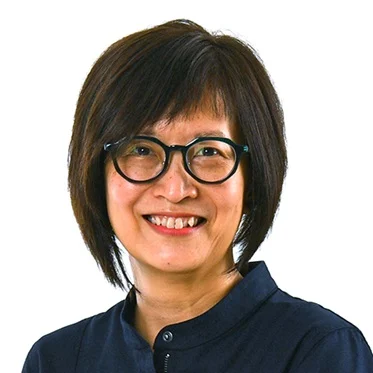
Ms Joyce Teo
Senior Health Correspondent, The Straits Times Singapore
Enquiries
For enquiries, please email [email protected]